
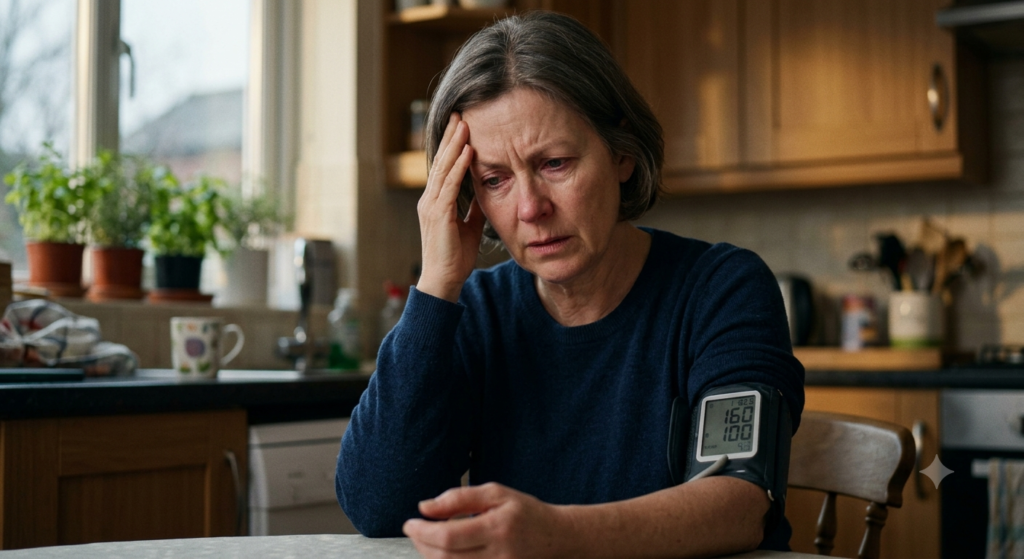
Nearly half of American adults have high blood pressure. Most of them feel completely fine.
That’s the problem. High blood pressure is called the “silent killer” for a reason — it usually causes zero symptoms until it has already damaged your heart, brain, or kidneys. By the time you feel something is wrong, the condition may have been quietly progressing for years.
But “usually silent” doesn’t mean “always silent.” In severe cases, your body does send warning signals. Knowing what those signals look like — and which ones need a 911 call instead of a doctor’s appointment — can genuinely save your life.
This guide breaks down the subtle signs, the emergency symptoms, what your blood pressure numbers actually mean, and exactly what to do next.
Medical disclaimer: This article is for educational purposes and doesn’t replace professional medical advice. If you’re experiencing severe symptoms, seek emergency care immediately.
When Should You Be Concerned?
Be concerned and seek immediate emergency care (call 911) if your blood pressure reads above 180/120 mm Hg and you have chest pain, shortness of breath, back pain, numbness, weakness, vision changes, or difficulty speaking.
Be concerned and contact your doctor promptly if you have a reading above 180/120 without those symptoms, or if you notice recurring headaches, dizziness, blurred vision, nosebleeds, or heart palpitations — especially if you have risk factors like a family history of hypertension, obesity, or diabetes.
If in doubt, get it checked. A blood pressure cuff reading takes two minutes and is the only reliable way to know your numbers.
What Is High Blood Pressure, Exactly?
High blood pressure, or hypertension, means the force of blood pushing against your artery walls stays too high over time. Your heart has to work harder to move blood through your body, which gradually wears down your arteries and heart muscle.
A blood pressure reading has two numbers:
- Systolic pressure (top number): pressure when your heart beats
- Diastolic pressure (bottom number): pressure when your heart rests between beats
Both numbers matter, but for adults over 50, systolic pressure is often the stronger predictor of heart disease risk.
Blood Pressure Categories at a Glance
| Category | Systolic (mm Hg) | Diastolic (mm Hg) | What It Means |
|---|---|---|---|
| Normal | Below 120 | Below 80 | Healthy range |
| Elevated | 120–129 | Below 80 | Risk is rising; lifestyle changes recommended |
| Hypertension Stage 1 | 130–139 | 80–89 | Diagnosis likely; treatment plan needed |
| Hypertension Stage 2 | 140 or higher | 90 or higher | Medication usually required |
| Hypertensive Crisis | Above 180 | Above 120 | Medical emergency |
These thresholds reflect current American Heart Association and American College of Cardiology guidelines.
Why High Blood Pressure Rarely Causes Symptoms
This surprises most people: you can have dangerously high blood pressure and feel perfectly normal. There’s no nerve in your arteries that signals “pressure too high” the way a toothache signals a cavity.
That’s why hypertension does so much damage before anyone notices. Elevated pressure slowly causes tiny tears in the lining of your arteries. Cholesterol and fat stick to those damaged spots, building plaque and narrowing the vessels — a process that can take years and produce no warning at all.
Here’s the scope of the problem:
- About 1 in 3 adults with high blood pressure don’t know they have it.
- Roughly 48% of U.S. adults meet the criteria for hypertension under current guidelines.
- More than 70% of adults age 60 and older have high blood pressure.
- High blood pressure contributes to an estimated $219 billion in U.S. healthcare costs annually.
The takeaway: don’t wait for symptoms. Get screened.
How Often Should You Get Checked?
- Age 18–39, low risk: every 2 years
- Age 18–39, higher risk (family history, overweight): every year
- Age 40 and older: every year, minimum
- Already diagnosed with hypertension: as often as your doctor recommends, often weekly or with a home monitor
Subtle Warning Signs You Shouldn’t Ignore
While most high blood pressure is silent, very elevated or rapidly rising readings can occasionally produce subtle signs. These aren’t exclusive to hypertension, but they’re worth checking out — especially if several appear together.
Early-Morning Headaches
A dull, persistent headache at the back of the head when you wake up can be linked to elevated nighttime blood pressure. This differs from a typical tension headache in that it’s tied to a specific time of day and tends to recur.
Dizziness or Lightheadedness
High blood pressure can affect blood flow to the brain, leaving you feeling unsteady. If dizziness comes on suddenly, or comes with trouble walking or keeping your balance, treat it as a possible stroke warning and seek care right away.
Blurred or Double Vision
Your retina is full of small blood vessels that are sensitive to pressure changes. Long-term uncontrolled hypertension can damage them, causing blurred vision, double vision, or in severe cases, vision loss. Some eye doctors catch high blood pressure during a routine eye exam before it shows up anywhere else.
Heart Palpitations
A fluttering, racing, or skipping heartbeat can signal that high blood pressure is straining your heart muscle, sometimes contributing to atrial fibrillation or other arrhythmias.
Pounding Sensation in the Ears, Neck, or Chest
This pulsing feeling can result from increased force as blood moves through your arteries, particularly when combined with other symptoms on this list.
Tinnitus (Ringing in the Ears)
Research has found tinnitus is notably more common in people with hypertension than in those without it. New or worsening ear ringing is worth mentioning to your doctor.
Fatigue and Shortness of Breath
When your heart works harder than it should for months or years, you may feel unusually tired or winded — even during light activity like walking to your car.
Nosebleeds
Frequent or heavy nosebleeds aren’t a reliable early sign, but they can appear during a hypertensive crisis when blood pressure spikes above 180/120.
Important: None of these symptoms are unique to high blood pressure. Dehydration, anxiety, menopause, and other conditions can cause similar signs. The only way to know for sure is to check your numbers.
Emergency Symptoms: When It Becomes a Hypertensive Crisis
A hypertensive crisis happens when blood pressure spikes above 180/120 mm Hg. This is a medical emergency that can cause organ damage within minutes.
Step 1: Confirm the Reading
Wait one minute, then take your blood pressure again. A single unusually high reading can happen from stress, caffeine, or improper cuff placement.
Step 2: Check for These Symptoms
Call 911 immediately if your reading is above 180/120 and you also have any of the following:
- Chest pain or pressure
- Shortness of breath
- Severe back pain
- Numbness or weakness (especially on one side of the body)
- Sudden change in vision
- Difficulty speaking or slurred speech
- Severe headache with confusion
These symptoms together can point to a heart attack, stroke, or aortic damage in progress. Do not drive yourself — call emergency services.
Step 3: No Symptoms, But Reading Is Still High?
If your second reading confirms severe hypertension but you have none of the symptoms above, this is still urgent — but it’s a call-your-doctor situation rather than a 911 situation. Your provider may need to adjust or start medication right away.
What to Do If You Think You Have High Blood Pressure
- Get an accurate reading. Use a validated upper-arm cuff monitor rather than a wrist or finger device — the American Heart Association considers upper-arm monitors more reliable. You can check validated devices at validatebp.org.
- Take multiple readings. One high number isn’t a diagnosis. Doctors typically want an average of readings taken on two or more separate occasions.
- Track patterns, not single numbers. Keep a simple log — time of day, reading, and any symptoms — for a week or two before your appointment.
- See your doctor for confirmation. Only a healthcare provider can officially diagnose hypertension and rule out secondary causes like kidney disease or sleep apnea.
- Ask about your personal risk. Your treatment plan depends on more than just the numbers — it also factors in your risk of heart disease, diabetes, and other conditions.
Who’s at Higher Risk?
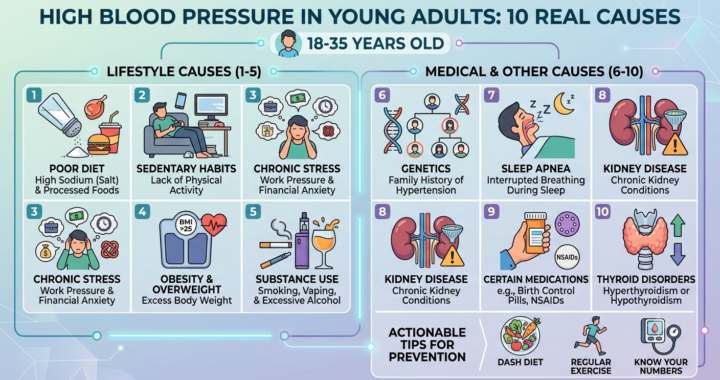
Some risk factors are outside your control. Others you can change starting today.
| Non-Modifiable Risk Factors | Modifiable Risk Factors |
|---|---|
| Family history of hypertension | Excess weight or obesity |
| Age (risk rises steadily after 40) | Physical inactivity |
| Race/ethnicity (higher rates in Black adults) | High-sodium diet |
| Sex (men have higher rates overall) | Smoking or vaping |
| Certain chronic conditions present from birth | Excessive alcohol use |
| — | Chronic stress |
According to CDC data, high blood pressure affects a notably higher share of non-Hispanic Black adults than other groups in the U.S., making early and frequent screening especially important for that population.
Pregnancy, certain medications, kidney disease, diabetes, and sleep apnea can also cause or worsen high blood pressure, even in people with none of the classic risk factors above.
Common Myths About High Blood Pressure Symptoms
Myth: “I’d feel it if my blood pressure was high.” Reality: Most people with hypertension, even at dangerously high levels, feel completely normal. This is exactly why routine screening matters more than symptom-watching.
Myth: “A burst blood vessel in my eye means I have high blood pressure.” Reality: A subconjunctival hemorrhage is usually harmless and unrelated to blood pressure. If it keeps happening, though, it’s worth a checkup.
Myth: “Nosebleeds are an early warning sign.” Reality: Nosebleeds and headaches typically don’t occur until blood pressure reaches crisis levels (above 180/120), not in the early stages.
Myth: “If my blood pressure is high at the doctor’s office, it must be high all the time.” Reality: “White coat syndrome” — anxiety-driven spikes during checkups — is common. That said, some research links it to a higher chance of developing real hypertension over the following decade, so it’s not something to dismiss either.
Myth: “Low blood pressure is always better.” Reality: Generally, lower is better, but readings below 90/60 (hypotension) can cause their own problems, including dizziness and fainting, especially if paired with symptoms.
How to Lower Your Risk and Manage High Blood Pressure
You can meaningfully lower your blood pressure with consistent habits:
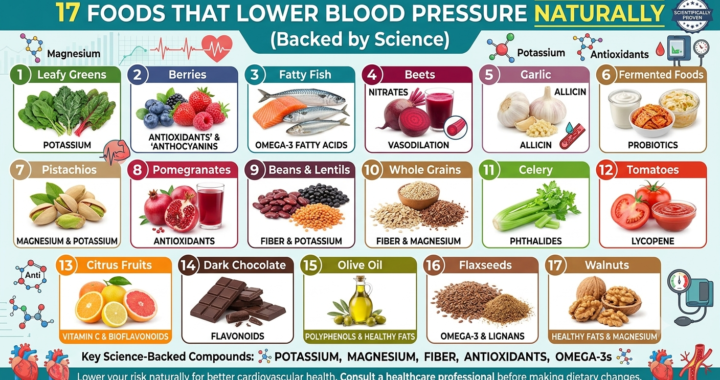
- Follow a heart-healthy eating pattern. The DASH diet or Mediterranean diet — both low in sodium and processed food, high in fiber and healthy fats — are the two most commonly recommended by cardiologists.
- Limit sodium. Aim for the commonly recommended range of 1,500–2,300 mg of sodium per day.
- Move most days. A brisk 30-minute walk on most days of the week can meaningfully lower blood pressure over time.
- Maintain a healthy weight. Even modest weight loss can reduce your numbers.
- Cut back on alcohol. Heavy drinking is strongly linked to elevated blood pressure, especially in men.
- Quit smoking and vaping. Both cause an immediate, temporary spike and long-term arterial damage.
- Manage stress. Chronic stress and stress-related habits (overeating, smoking, drinking) compound the problem.
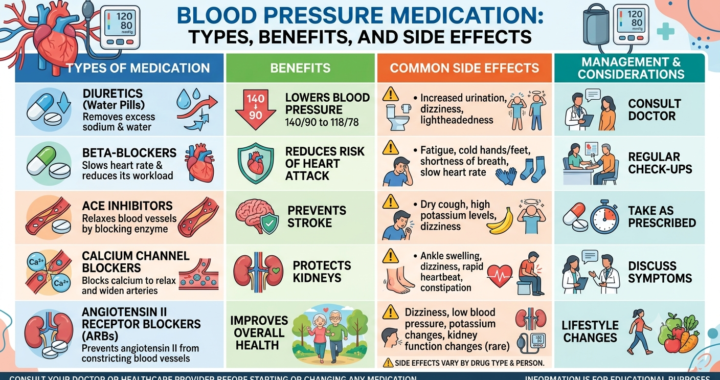
- Take medication as prescribed. If lifestyle changes aren’t enough, your doctor may prescribe medication — skipping doses is one of the most common reasons blood pressure stays uncontrolled.
Frequently Asked Questions
Can high blood pressure cause symptoms you can feel every day?
Usually not. Most people with hypertension, even at high levels, have no daily symptoms. Subtle signs like fatigue or mild headaches sometimes appear, but they’re inconsistent and easy to miss.
What does a hypertensive headache feel like?
It’s typically a dull, persistent headache felt at the back of the head, often noticed first thing in the morning. It’s different from a tension headache because it recurs at a specific time and tends to improve as the day goes on.
What blood pressure number is considered an emergency?
A reading above 180/120 mm Hg is considered a hypertensive crisis. If it’s paired with chest pain, shortness of breath, vision changes, numbness, or confusion, it’s a 911 emergency.
Can stress or anxiety cause high blood pressure symptoms?
Yes, temporarily. Stress and anxiety can spike blood pressure short-term and cause overlapping symptoms like palpitations, headache, and dizziness. Chronic stress can also contribute to sustained high blood pressure over time.
Can you feel your blood pressure rising?
Rarely, and not reliably. Some people notice a headache, flushed face, or pounding in the ears during a sudden spike, but many spikes go completely unnoticed. This is why symptom-watching alone isn’t a safe substitute for measurement.
What is considered dangerously high blood pressure?
Anything above 180/120 mm Hg is dangerously high and classified as a hypertensive crisis, regardless of whether symptoms are present.
How quickly can high blood pressure damage your body?
Damage typically builds over years, but a hypertensive crisis can cause organ damage — to the heart, brain, kidneys, or eyes — within minutes to hours if left untreated.
Should I go to the ER for high blood pressure with no other symptoms?
Not necessarily. If your reading is confirmed above 180/120 but you have no chest pain, vision changes, numbness, or breathing trouble, contact your doctor promptly rather than the ER. If any of those symptoms appear, seek emergency care immediately.
Can high blood pressure symptoms come and go?
Yes. Blood pressure naturally fluctuates throughout the day based on activity, stress, caffeine, sleep, and medication timing. Occasional spikes with mild symptoms don’t necessarily mean a crisis, but a pattern of high readings warrants a doctor’s visit.
Is dizziness always a sign of high blood pressure?
No. Dizziness has many causes, including dehydration, inner ear issues, low blood sugar, and medication side effects. But sudden dizziness paired with trouble walking or speaking should be treated as a possible stroke warning.
Key Takeaways
- High blood pressure usually has no symptoms — regular screening is the only reliable way to catch it early.
- Watch for subtle signs like morning headaches, dizziness, blurred vision, palpitations, and unusual fatigue, especially if several occur together.
- A reading above 180/120 mm Hg with symptoms like chest pain, vision changes, or numbness is a 911 emergency.
- A reading above 180/120 without those symptoms still needs prompt medical attention.
- Lifestyle changes — diet, exercise, sodium reduction, and stress management — meaningfully lower your risk, alongside medication when prescribed.
Don’t wait for symptoms to tell you something’s wrong. Check your blood pressure today, whether at home, at a pharmacy, or during your next doctor’s visit — and if you already know your numbers run high, schedule a checkup this week rather than putting it off.