

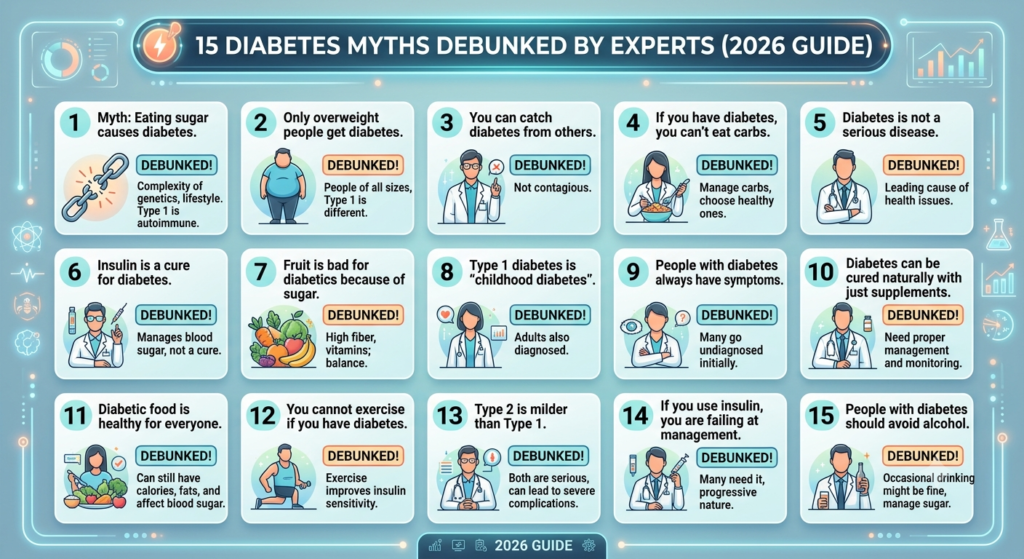
More than 38 million Americans live with diabetes. Nearly a quarter of them don’t even know it yet.
That gap between diagnosis and denial doesn’t happen by accident. It happens because diabetes is one of the most misunderstood conditions in modern medicine. Old wives’ tales, outdated advice, and well-meaning but wrong comments from friends and family keep circulating — and they shape real decisions about food, medication, and self-worth.
Why Diabetes Myths Are More Dangerous Than You Think
Believing the wrong thing about diabetes isn’t harmless. It can delay a diagnosis, discourage someone from starting insulin they need, or push a person toward extreme diets that backfire. Misinformation also fuels stigma, making people feel ashamed of a condition they didn’t choose.
This guide walks through 15 of the most common diabetes myths and replaces each one with what current medical evidence actually shows. Whether you’re newly diagnosed, supporting a loved one, or just trying to separate fact from fiction, you’ll leave with clear, actionable answers.
Quick-Reference Table: Myth vs. Fact
| # | Myth | Fact |
|---|---|---|
| 1 | Eating too much sugar causes diabetes | Diabetes stems from insulin problems, not sugar intake alone |
| 2 | Only overweight people get diabetes | Body weight is one risk factor among many |
| 3 | Type 2 diabetes is the “mild” version | Type 2 carries serious, sometimes life-threatening risks |
| 4 | People with diabetes can’t eat any sugar or carbs | Balanced portions of carbs and occasional sweets are fine |
| 5 | Diabetes is contagious | It’s a metabolic condition, not an infection |
| 6 | Needing insulin means you failed | Insulin is a treatment, not a punishment |
| 7 | You’ll definitely go blind or lose a limb | Good management drastically lowers complication risk |
| 8 | Fruit is off-limits | Whole fruit in moderation supports healthy eating |
| 9 | Natural remedies can cure diabetes | No supplement or “cure” replaces medical treatment |
| 10 | Kids can outgrow diabetes | Type 1 doesn’t go away; type 2 tendencies persist |
| 11 | You can’t exercise if you have diabetes | Exercise is one of the most powerful management tools |
| 12 | Diabetes only affects older adults | Type 1 often starts in childhood; type 2 is rising in youth |
| 13 | “Diabetic” foods are necessary | No special product line is required |
| 14 | If it doesn’t run in your family, you’re safe | Most people diagnosed have no close relative with it |
| 15 | Gestational diabetes means the baby will have problems | With proper care, most babies are born healthy |
Myth 1: Eating Too Much Sugar Causes Diabetes
This is the myth almost everyone has heard, usually as a warning: “Don’t eat so much candy or you’ll get diabetes.”
The fact: Diabetes develops because of how the body produces or responds to insulin, not from sugar consumption on its own. Eating sugar does not cause diabetes, though cutting back on sweets and sugary drinks is still a good idea.
Type 1 diabetes is an autoimmune condition. The immune system attacks insulin-producing cells in the pancreas, and diet plays no role in triggering that process.
Type 2 diabetes is more nuanced. Sugar itself isn’t a direct cause, but a diet high in sugar can contribute to excess weight, and being overweight is a genuine risk factor for type 2 diabetes. Some research has also found a link specifically between regular soda consumption and type 2 diabetes risk, independent of calorie intake and body weight.
Takeaway: Sugar isn’t the villain in isolation. Overall diet quality, weight, activity level, and genetics all play a role.
Myth 2: Only Overweight People Get Diabetes
Body size gets blamed for diabetes constantly, and it leaves a lot of people confused or falsely reassured.
The fact: Carrying excess weight raises diabetes risk, but plenty of people at a “normal” weight develop it too, while many overweight individuals never do. Excess weight does increase the chance of developing diabetes, yet many overweight or obese people never get it, and people at a healthy weight can still be diagnosed.
Other risk factors matter just as much, including:
- Family history and genetics
- Age (risk increases after 45)
- Ethnic background — African American, Hispanic/Latino American, American Indian, Alaska Native, and some Pacific Islander and Asian American populations face higher risk
- Physical inactivity
- Polycystic ovary syndrome (PCOS)
- History of gestational diabetes
Expert insight: Endocrinologists commonly point out that thin, active people are sometimes diagnosed later than overweight patients simply because doctors don’t screen them as early — a dangerous blind spot.
Myth 3: Type 2 Diabetes Is Less Serious Than Type 1
Because type 2 diabetes can sometimes be managed with lifestyle changes alone at first, people assume it’s the “easy” version.
The fact: Both types carry real risks. Type 1 requires immediate insulin because the body stops producing it entirely; without treatment, it can lead to diabetic ketoacidosis, a life-threatening emergency. Type 2 diabetes tends to progress more slowly, but it’s still linked to serious complications.
People with type 2 diabetes are about twice as likely to experience heart disease or stroke compared to people without diabetes. Left unmanaged, it can also lead to kidney disease, nerve damage, and vision problems — regardless of how gradually it develops.
Takeaway: “Slower onset” doesn’t mean “lower stakes.” Both types deserve consistent medical management.
Myth 4: People With Diabetes Can’t Eat Sugar or Carbs
This myth causes more unnecessary suffering than almost any other on this list.
The fact: People with diabetes eat largely the same foods as everyone else. Modern nutrition guidance has moved away from rigid carbohydrate limits. Instead, the focus is on carbohydrate quality, portion size, and timing.
A registered dietitian or certified diabetes educator can help build a plan that includes:
- Whole grains, legumes, fruits, and vegetables as primary carb sources
- Occasional sweets, planned for and balanced with other foods
- Limited intake of foods high in added sugar, sodium, and saturated fat
Small amounts of sugar can fit into a diabetes meal plan when balanced against other carbohydrates in that meal. The goal is consistency and balance, not total elimination.
Takeaway: Deprivation often backfires. A flexible, realistic plan is easier to maintain than a restrictive one.
Myth 5: Diabetes Is Contagious
It sounds obvious once you say it out loud, but this myth persists, especially among children and in communities with limited health education.
The fact: Diabetes cannot be transmitted from person to person because it isn’t caused by a pathogen — it’s classified as a noncommunicable disease. You cannot “catch” diabetes from sharing food, drinks, or physical contact with someone who has it.
The confusion may stem from diabetes running in families, which makes it look hereditary in a way that resembles contagion. In reality, that’s genetics and shared environment or lifestyle factors, not transmission.
Takeaway: Diabetes stigma sometimes stems from this exact misunderstanding. Correcting it matters for reducing shame and social exclusion.
Myth 6: Needing Insulin Means You Failed at Managing Your Diabetes
This myth causes real emotional harm, and it can delay necessary treatment for months or years.
The fact: Type 2 diabetes is a progressive condition. Over time, the pancreas naturally produces less insulin, regardless of how well someone manages diet and exercise. Starting insulin isn’t a personal failure — it’s an expected part of the disease’s natural course for many patients.
For type 1 diabetes, insulin isn’t optional at all. The body stops making it entirely, so insulin therapy is the only treatment, from day one.
Expert insight: Diabetes educators often describe insulin as “topping up what your body can no longer make enough of,” a framing that helps patients feel less like they’re being punished and more like they’re getting appropriate care.
Takeaway: Needing insulin reflects biology, not willpower.
Myth 7: Diabetes Will Definitely Cause Blindness or Amputation
Fear-based myths like this one can actually discourage people from managing their diabetes, since it feels like the outcome is inevitable either way.
The fact: Complications are possible, but they are far from guaranteed. The CDC estimates that 11.7% of adults with diabetes experience some level of vision impairment, and lower-extremity amputation occurs in around 0.56% of people with diabetes in the U.S. Those numbers reflect real risk, but they also show that the large majority of people with diabetes never experience these outcomes.
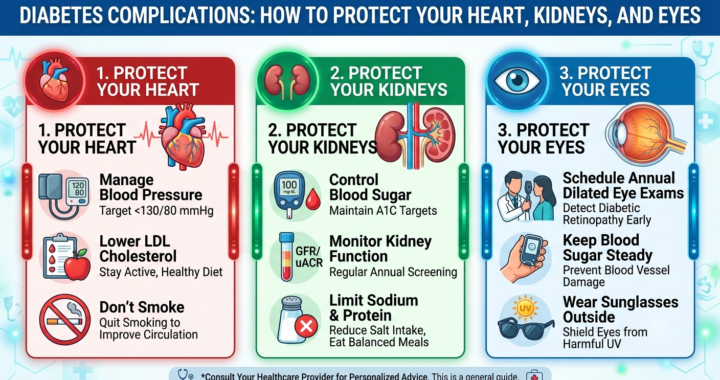
Consistent blood sugar control, along with managing blood pressure and cholesterol, significantly reduces the risk of complications. Regular eye exams, foot checks, and routine screenings catch problems early, when they’re most treatable.
Takeaway: Complications are a risk to actively manage, not a certainty to fear into paralysis.
Myth 8: Fruit Is Off-Limits for People With Diabetes
Because fruit contains natural sugar, it gets unfairly lumped in with candy and soda.
The fact: Whole fruit comes packaged with fiber, vitamins, and minerals that slow sugar absorption and support overall health. Most whole fruits have a moderate to low glycemic impact compared to processed sugary snacks.
Smart choices include:
- Berries, apples, and pears (higher fiber, lower glycemic impact)
- Whole fruit over fruit juice, which lacks fiber and spikes blood sugar faster
- Portion awareness rather than total avoidance
Takeaway: The enemy isn’t fruit — it’s liquid sugar and oversized portions.
Myth 9: Natural Remedies or Supplements Can Cure Diabetes
Search “diabetes cure” online and you’ll find no shortage of products promising to reverse the condition overnight.
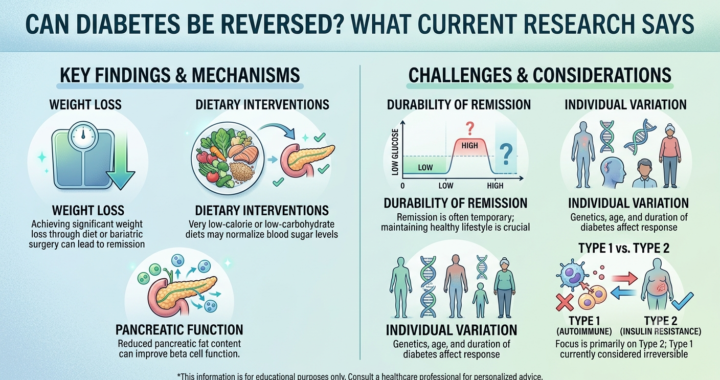
The fact: There is currently no cure for diabetes, and any product claiming otherwise should raise a red flag. That said, research into type 2 diabetes remission has produced genuinely promising findings. Through significant weight loss — via lifestyle changes, medication, or bariatric surgery — some people with type 2 diabetes achieve normal blood sugar levels without medication.
It’s important to understand the distinction: remission means blood sugar is controlled without ongoing medication, while regular monitoring is still needed because the underlying tendency can return. That’s different from a permanent cure.
Takeaway: Be skeptical of anything marketed as a “cure.” Ask your doctor before trying any supplement alongside prescribed treatment.
Myth 10: Kids Can Outgrow Diabetes
Parents sometimes hope a child’s diabetes diagnosis is temporary, especially in the early, confusing weeks after diagnosis.
The fact: Type 1 diabetes does not go away. Once the pancreas stops producing insulin, that function doesn’t return on its own, and insulin therapy becomes a lifelong requirement.
Type 2 diabetes in children works differently. A child’s underlying tendency toward insulin resistance typically persists long-term, particularly if inactivity and excess weight continue. Weight management and increased activity can significantly improve blood sugar control, but the predisposition generally remains.
Takeaway: “Managed well” is a more accurate goal than “outgrown.”
Myth 11: You Can’t Exercise If You Have Diabetes
Some people worry that physical activity is risky once diabetes enters the picture. It’s the opposite.
The fact: Regular physical activity is one of the most effective tools available for diabetes management. Exercise improves insulin sensitivity, helps regulate blood sugar, and supports weight management. Activities like brisk walking, cycling, swimming, and strength training all contribute to better glucose control.
A few practical tips for exercising safely with diabetes:
- Check blood sugar before and after workouts, especially when starting a new routine.
- Carry a fast-acting carbohydrate source in case of low blood sugar.
- Stay hydrated and wear proper footwear to protect against foot injuries.
- Talk to your care team before starting high-intensity training if you take insulin, since timing and dosage may need adjustment.
Takeaway: Movement is medicine here — it’s one of the few interventions that helps essentially everyone with diabetes.
Myth 12: Diabetes Only Affects Older Adults
Diabetes is often pictured as an “older person’s disease,” but that picture is increasingly outdated.
The fact: Type 1 diabetes is most often diagnosed in children, teens, and young adults, since it’s an autoimmune condition unrelated to age or lifestyle. Type 2 diabetes, historically more common later in life, is now being diagnosed in children and teenagers at rising rates, largely tied to increases in childhood obesity and inactivity.
Gestational diabetes adds another layer, affecting pregnant women regardless of age, though risk increases somewhat with maternal age.
Takeaway: Age is not a reliable filter for who should watch for diabetes symptoms.
Myth 13: People With Diabetes Need Special “Diabetic” Foods
Walk down a grocery aisle labeled “diabetic-friendly” and you might assume those products are essential. They’re not.
The fact: No specialized food category is required to manage diabetes well. A balanced diet built around vegetables, whole grains, fruits, lean proteins, and healthy fats works for people with and without diabetes alike.
Products labeled “sugar-free” or “diabetic-friendly” deserve a closer look at the nutrition label. “Sugar-free” doesn’t always mean low-calorie or low-carbohydrate, and some of these products cost more without offering real benefits.
Takeaway: Read ingredient labels, not marketing claims.
Myth 14: If Diabetes Doesn’t Run in Your Family, You’re Safe
Family history feels like a reassuring shield, but it isn’t a guarantee either way.
The fact: Family history raises risk for both type 1 and type 2 diabetes, but many people diagnosed have no close relatives with the condition. Diabetes results from a mix of genetics, lifestyle, age, ethnicity, and other health conditions working together, not a single inherited switch.
Takeaway: A clean family history is reassuring, but it isn’t a free pass to skip screening, especially if other risk factors apply.
Myth 15: Gestational Diabetes Means the Baby Will Have Health Problems
A gestational diabetes diagnosis during pregnancy can feel alarming, especially with this myth attached to it.
The fact: When gestational diabetes is properly managed, most babies are born healthy. Blood sugar monitoring, dietary adjustments, and sometimes medication help keep levels in a safe range throughout pregnancy.
Gestational diabetes typically resolves after delivery, though it does raise the mother’s risk of developing type 2 diabetes later in life. Follow-up screening in the months and years after pregnancy is an important, often overlooked step.
Takeaway: A gestational diabetes diagnosis calls for active management, not panic.
Frequently Asked Questions
What is the biggest myth about diabetes?
The most widespread myth is that eating too much sugar directly causes diabetes. In reality, diabetes results from how the body produces or uses insulin, and sugar intake is just one small piece of a much larger picture involving genetics, weight, activity, and age.
Can diabetes be reversed naturally?
Type 1 diabetes cannot be reversed under any circumstances since it’s an autoimmune condition. Some people with type 2 diabetes can achieve remission — normal blood sugar without medication — through significant weight loss and lifestyle changes, but ongoing monitoring is still necessary since the tendency can return.
Is type 2 diabetes caused by being overweight?
Excess weight is a major risk factor, but it’s not the only cause. Genetics, ethnicity, age, inactivity, and conditions like PCOS also contribute. Many people who are overweight never develop type 2 diabetes, while some people at a healthy weight do.
Do people with diabetes have to give up sugar completely?
No. Small amounts of sugar can fit into a diabetes meal plan when balanced with other carbohydrates. Complete elimination isn’t necessary or realistic for most people, and overly restrictive diets are harder to sustain long-term.
Can you catch diabetes from someone else?
No. Diabetes is a noncommunicable, metabolic condition. It cannot spread through contact, sharing food, or any other form of transmission.
Does insulin mean my diabetes is getting worse?
Not necessarily. Type 2 diabetes naturally progresses over time as the pancreas produces less insulin, regardless of how well it’s managed. Needing insulin reflects the disease’s natural course, not a failure of self-care.
What foods should people with diabetes avoid completely?
There’s no single food that must be avoided entirely. The focus is on limiting foods high in added sugar, refined carbohydrates, sodium, and saturated fat, while prioritizing whole grains, vegetables, lean proteins, and healthy fats.
Can children outgrow type 1 diabetes?
No. Type 1 diabetes is a lifelong condition once diagnosed, since the pancreas permanently loses its ability to produce insulin. It requires ongoing insulin therapy throughout life.
Is gestational diabetes dangerous for the baby?
With proper monitoring and management during pregnancy, most babies born to mothers with gestational diabetes are healthy. Unmanaged gestational diabetes does raise risks, which is why prenatal screening and follow-up care matter.
Will I definitely go blind or need an amputation if I have diabetes?
No. These complications are possible but not inevitable. The large majority of people with diabetes never experience blindness or amputation, particularly when blood sugar, blood pressure, and cholesterol are well managed and routine screenings are kept up.
Key Takeaways
- Diabetes is caused by a complex mix of genetics, insulin function, weight, age, and lifestyle — not by any single food or habit.
- Type 1 and type 2 diabetes are different diseases with different causes, but both deserve to be taken seriously.
- Balanced eating, not total restriction, is the foundation of sound diabetes management.
- Needing insulin is a normal part of treatment, not a sign of personal failure.
- Complications like vision loss and amputation are real risks, but consistent management dramatically lowers the odds.
- Diabetes cannot be transmitted between people and cannot be “outgrown” once diagnosed with type 1.
Misinformation spreads fastest when it sounds like common sense. The truth about diabetes is more nuanced, and understanding it puts you in a far better position to manage your health or support someone who is.
If you or someone you love has diabetes, the most reliable next step is a conversation with a doctor, endocrinologist, or certified diabetes educator. They can build a plan based on your actual health profile, not internet rumors. Bookmark this guide, share it with someone who needs it, and don’t let outdated myths make decisions for you.

Great content! Keep up the good work!
Thank You for the appreciation