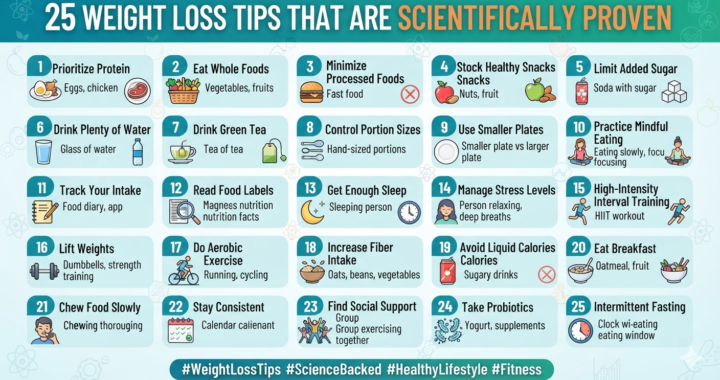


Healthy Weight Loss Diet Plan That Actually Works
Most diets fail within a year. Not because people lack willpower, but because the plans themselves are broken from the start. They are too restrictive, too extreme, or too disconnected from real life.
This guide is different. It breaks down exactly what makes a weight loss plan sustainable, backed by nutrition science, not fads. You will learn how to calculate your real calorie needs, build balanced meals, avoid the mistakes that stall progress, and create a routine you can actually keep for years, not weeks.
No gimmicks. No miracle foods. Just a clear, practical plan you can start today.
Why Most Diet Plans Fail
Before building a plan that works, it helps to understand why so many do not.
Research on long term weight loss consistently points to a few recurring problems:
- Extreme calorie restriction. Cutting too many calories too fast triggers hunger hormones and slows metabolism.
- Eliminating entire food groups. Cutting out carbs or fats completely often backfires once cravings build up.
- No exercise component. Diet alone rarely builds the habits needed to keep weight off long term.
- Unrealistic expectations. Losing 10 pounds in a week sounds appealing, but it is rarely fat loss, and it rarely lasts.
- Lack of personalization. A plan built for someone else’s body, schedule, and preferences is hard to maintain.
A weight loss plan that actually works avoids all five of these traps. It focuses on a moderate calorie deficit, balanced nutrition, and habits you enjoy enough to repeat.
What Makes a Weight Loss Diet Actually Work
Ultimately, the idea behind losing weight is simple – to use up more energy than we take in by means of food. However, the way we make up this difference will define our success.
A diet plan that works long term shares these traits:
- It creates a moderate calorie deficit, usually 500 to 750 calories per day below maintenance.
- It includes enough protein to preserve muscle and control hunger.
- It allows flexibility, so occasional treats do not derail progress.
- It fits your schedule and budget, so you can follow it for months, not days.
- It pairs with movement, since exercise supports both fat loss and long term maintenance.
The Centers for Disease Control and Prevention notes that losing 1 to 2 pounds per week is a realistic, sustainable pace for most adults. Faster loss usually means muscle and water loss, not just fat.
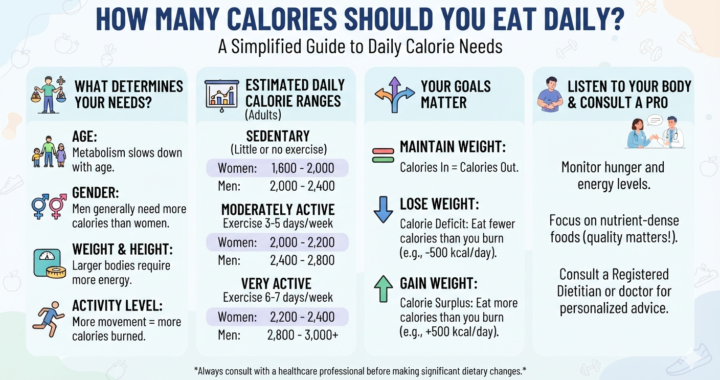
Step 1: Calculate Your Calorie Needs
Every effective plan starts with a number: your maintenance calories, the amount you eat to stay at your current weight.
A simple way to estimate this:
- Multiply your body weight in pounds by 14 to 16 if you are moderately active.
- Subtract 500 to 750 calories for a safe, steady deficit.
- Adjust after two weeks based on how your weight actually changes.
Example: The daily intake needed to maintain 180 pounds in a moderately active adult would be about 2,520 and 2,880 calories. After subtracting 500 calories, he will get a range of 2,000 and 2,400 calories per day for fat burning.
It is just an initial guess as everybody’s metabolism will behave a bit differently. You should monitor your own progress for a couple of weeks.
Step 2: Build Balanced Meals, Not Restrictive Rules
Rather than banning food groups, focus on getting the ratio right. A well-balanced plate supports fullness, energy, and steady fat loss.
The Balanced Plate Method
| Plate Section | Portion | Examples |
|---|---|---|
| Lean protein | 25 to 30 percent | Chicken breast, fish, eggs, tofu, Greek yogurt, lentils |
| Vegetables | 40 to 50 percent | Broccoli, spinach, peppers, cauliflower, zucchini |
| Complex carbs | 20 to 25 percent | Brown rice, quinoa, oats, sweet potatoes, whole grain bread |
| Healthy fats | Small portion | Olive oil, avocado, nuts, seeds |
This structure naturally reduces calorie density while keeping meals filling and satisfying, which is the main reason it beats restrictive diets for long term adherence.
Why Protein Matters So Much
Protein does three things restrictive diets often miss:
- This makes one feel full on fewer calories.
- This maintains muscle mass during caloric deficit.
- It has a high thermic effect, and hence the body utilizes more energy when processing proteins than when processing fats or carbohydrates.
Aim for roughly 0.7 to 1 gram of protein per pound of body weight each day, spread across your meals.
Step 3: Sample 7 Day Meal Plan
Here is a practical, flexible meal plan built around whole foods. Portion sizes can be adjusted based on your personal calorie target.
| Day | Breakfast | Lunch | Dinner | Snack |
|---|---|---|---|---|
| Monday | Greek yogurt, berries, oats | Grilled chicken salad with olive oil dressing | Baked salmon, quinoa, roasted broccoli | Apple with almond butter |
| Tuesday | Veggie omelet with whole grain toast | Turkey and avocado wrap | Stir fried tofu with brown rice and vegetables | Handful of walnuts |
| Wednesday | Smoothie with spinach, banana, protein powder | Lentil soup with side salad | Grilled chicken, sweet potato, green beans | Carrot sticks with hummus |
| Thursday | Overnight oats with chia seeds | Tuna salad on whole grain bread | Lean beef stir fry with mixed vegetables | Cottage cheese with pineapple |
| Friday | Scrambled eggs with sauteed spinach | Chicken and quinoa bowl | Baked cod, roasted vegetables, brown rice | Greek yogurt with berries |
| Saturday | Whole grain pancakes with fresh fruit | Grilled shrimp salad | Turkey chili with beans | Small handful of almonds |
| Sunday | Veggie and cheese omelet | Leftover turkey chili | Grilled chicken fajitas with peppers and onions | Sliced cucumber with tzatziki |
Feel free to swap meals within the same category. Consistency matters more than following this exact menu.
Step 4: Add Movement That Supports Fat Loss
Diet drives most of the weight loss, but exercise protects your results and improves your health beyond the scale.
A balanced weekly routine includes:
- Strength training, 2 to 3 times per week. Preserves muscle mass, which keeps your metabolism higher during weight loss.
- Cardio, 150 minutes per week. Brisk walking, cycling, or swimming supports heart health and burns additional calories.
- Daily movement. Simple habits like taking stairs or walking after meals add up over time.
You do not need intense workouts to see results. Consistency matters far more than intensity, especially in the first few months.
Common Mistakes That Stall Weight Loss
Even with a solid plan, small habits can quietly sabotage progress.
- Underestimating portion sizes. Liquid calories, cooking oils, and sauces add up fast.
- Skipping meals. This often leads to overeating later in the day.
- Cutting calories too aggressively. This slows metabolism and increases the risk of binge eating.
- Not tracking progress. Weight fluctuates daily, so track weekly averages instead of single readings.
- All or nothing thinking. One indulgent meal does not ruin progress. Getting back on track the next meal does.
Comparing Popular Diet Approaches
Different diets work for different lifestyles. Here is how some of the most researched options compare.
| Diet Type | Best For | Key Focus | Sustainability |
|---|---|---|---|
| Mediterranean diet | Long term health and weight maintenance | Whole foods, healthy fats, fish | High |
| Low carb diet | Reducing cravings and blood sugar spikes | Limiting bread, pasta, sugar | Moderate |
| High protein diet | Preserving muscle, controlling hunger | Lean meats, eggs, dairy, legumes | High |
| Intermittent fasting | Simplifying meal timing | Eating within a set window | Moderate |
| DASH diet | Heart health plus weight loss | Fruits, vegetables, low fat dairy | High |
There is no single best diet for everyone. The most effective plan is the one that fits your preferences, schedule, and health needs closely enough that you can follow it consistently.
How Fast Should You Lose Weight Safely
A safe, sustainable rate of weight loss is 1 to 2 pounds per week. This typically comes from a daily calorie deficit of 500 to 750 calories combined with regular activity.
Losing weight faster than this usually means:
- Greater muscle loss along with fat loss
- Higher risk of nutrient deficiencies
- Increased likelihood of regaining the weight afterward
Slower, steady progress protects your metabolism and makes the results easier to maintain for years, not just months.
Frequently Asked Questions
What is the healthiest way to lose weight fast?
The healthiest approach still targets 1 to 2 pounds per week through a moderate calorie deficit, higher protein intake, and regular activity. Faster methods often cause muscle loss and are hard to sustain.
How many calories should I eat to lose weight?
Most adults lose weight steadily by eating 500 to 750 calories below their maintenance level. This usually falls between 1,500 and 2,200 calories per day, depending on activity level, age, and body size.
What foods should I avoid when trying to lose weight?
Limit ultra processed snacks, sugary drinks, refined carbs, and fried foods. These are calorie dense but low in nutrients, making it easy to overeat without feeling full.
Can I lose weight without exercising?
Yes, diet alone can create a calorie deficit and lead to weight loss. However, combining diet with exercise improves results, protects muscle mass, and makes long term maintenance much easier.
How long does it take to see visible weight loss results?
Most people notice changes in energy and how clothes fit within 2 to 3 weeks. Visible changes in the mirror typically appear after 4 to 6 weeks of consistent effort.
Is intermittent fasting better than calorie counting?
Neither method is universally better. Intermittent fasting can simplify calorie control for some people, while others prefer structured meal tracking. The best method is whichever one you can follow consistently.
Why do I lose weight quickly at first but then stall?
Early weight loss often includes water weight loss, which happens fast. As your body adjusts, fat loss continues at a slower, steadier pace. Plateaus are normal and often resolve by adjusting calories or activity slightly.
Key Takeaways
- Successful weight loss requires a controlled energy deficit, not an excessive one.
- Protein and fiber sources will satiate you while protecting muscles when losing body fat.
- One to two pounds per week is a sensible pace of weight loss that will not harm your metabolism.
- Regular exercise and, more specifically, resistance training, helps in losing fat and maintaining your metabolism.
- The ideal diet plan is always the plan which suits your lifestyle the most.