
Nearly half of all adults in the United States live with high blood pressure. Most don’t feel a thing.
That’s the tricky part. Hypertension is called the “silent killer” for good reason. It quietly strains your heart, brain, and kidneys for years before symptoms ever show up. By the time you notice something’s wrong, the damage may already be done.
The good news? You have more control than you think. Studies have shown repeatedly that lifestyle changes can lower systolic blood pressure by 5 to 10 points or more, sometimes enough to delay or even prevent the need for medication altogether.
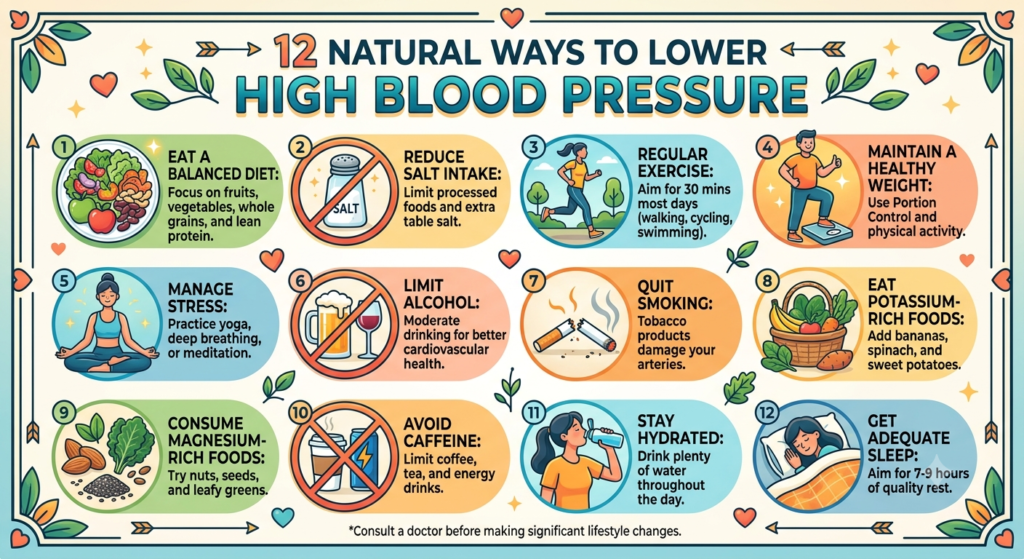
In this guide, we’ll walk you through 12 natural, evidence-based strategies to help you bring those numbers down—and keep them down. Each is backed by research from sources such as the CDC, Mayo Clinic, Johns Hopkins Medicine and the American Heart Association.
Let’s start with what your blood pressure numbers actually mean.
What Counts as High Blood Pressure?
Blood pressure is measured in millimeters of mercury (mm Hg) and written as two numbers: systolic (pressure when your heart beats) over diastolic (pressure when your heart rests).
| Category | Systolic (top number) | Diastolic (bottom number) |
|---|---|---|
| Normal | Below 120 | Below 80 |
| Elevated | 120–129 | Below 80 |
| High Blood Pressure (Stage 1) | 130–139 | 80–89 |
| High Blood Pressure (Stage 2) | 140 or higher | 90 or higher |
| Hypertensive Crisis | Higher than 180 | Higher than 120 |
If your reading is consistently above 180/120, this is a medical emergency. Call 911 or go to the nearest emergency room, especially if you also have chest pain, shortness of breath, or vision changes.
For everyone else, the strategies below can make a real, measurable difference.
1. Cut Back on Sodium
Eating salt makes your body retain more fluid which increases the pressure against the walls of your blood vessels. Most Americans consume excessive amounts of sodium.
The Mayo Clinic recommends keeping sodium to less than 2,300 mg a day, but for people with high blood pressure the ideal goal is 1,500 mg. Dropping to that lower number may reduce your blood pressure about 5 to 6 mm Hg..
Practical ways to cut sodium:
- Read nutrition labels before buying packaged foods.
- Cook at home more often so you control the salt.
- Swap table salt for herbs, garlic, lemon juice, or chili flakes.
- Watch out for hidden sodium in bread, deli meat, canned soup, and condiments.
Most sodium in the average diet doesn’t come from the salt shaker — it comes from processed and restaurant food.
2. Follow the DASH Diet
DASH stands for Dietary Approaches to Stop Hypertension. It was developed with support from the National Institutes of Health specifically to lower blood pressure through food.
The DASH diet emphasizes:
- Fruits, vegetables, and whole grains
- Lean protein like fish, poultry, and beans
- Low-fat or fat-free dairy
- Limited saturated fat, cholesterol, and added sugar
Cardiologists often describe diet and lifestyle changes as being nearly as powerful as medication for people with mildly elevated blood pressure, sometimes trying three months of changes before adding a prescription.
3. Get Moving — Regularly
Exercise strengthens your heart, which means it pumps blood more efficiently and with less force against your artery walls.
Regular aerobic activity can lower blood pressure by about 5 to 8 mm Hg. The benefit fades if you stop, so consistency matters more than intensity.
Aim for:
- At least 150 minutes of moderate activity per week (brisk walking, swimming, cycling), OR
- 75 minutes of vigorous activity per week (running, HIIT)
Even 30 minutes a day, broken into shorter walks, adds up over a week.
4. Lose Extra Weight — Especially Around the Waist
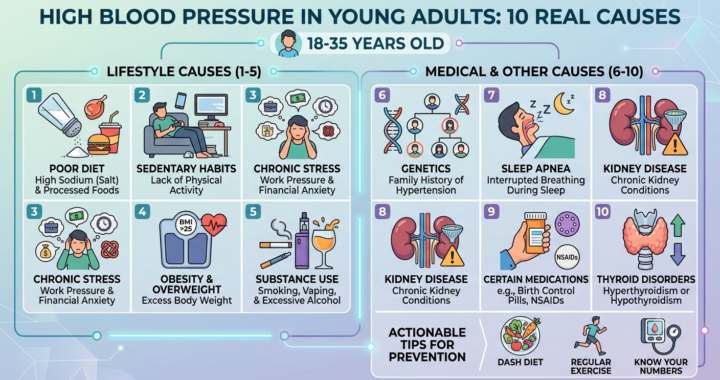
Blood pressure tends to rise as body weight increases. Carrying extra weight around the midsection is particularly risky because it’s linked to hormonal changes, artery plaque buildup, and a higher risk of obstructive sleep apnea, which itself raises blood pressure.
Waistlines to watch:
- Men: over 40 inches increases risk
- Women: over 35 inches increases risk
You don’t need to hit an “ideal” weight to see benefits. Losing even 5 to 10 pounds can produce a measurable drop in blood pressure.
5. Load Up on Potassium-Rich Foods
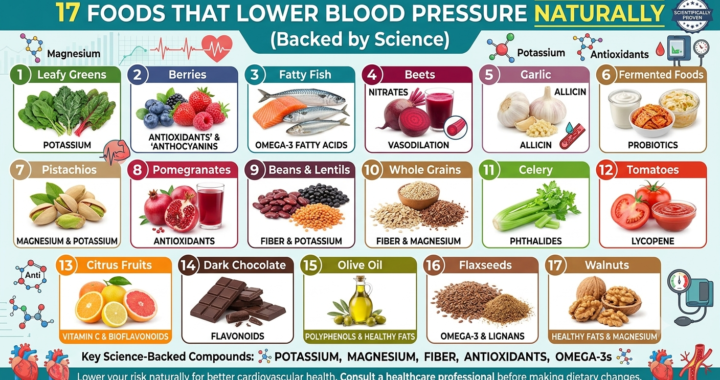
Potassium helps your kidneys flush out excess sodium and eases tension in your blood vessel walls.
Good sources include:
- Bananas and avocados
- Beans and lentils
- Salmon
- Broccoli, spinach, and other leafy greens
- Potatoes and sweet potatoes
Most adults benefit from roughly 3,500 to 5,000 mg of potassium daily from food. Talk to your doctor before increasing potassium intake if you have kidney disease, since your kidneys may struggle to process the excess.
6. Limit Alcohol Intake
Drinking too much alcohol raises blood pressure and can interfere with how well blood pressure medications work.
The American Heart Association recommends no more than:
- One drink a day for women
- Two drinks a day for men
One drink equals 12 ounces of beer, 5 ounces of wine, or 1.5 ounces of 80-proof liquor. If you drink more than this regularly, cutting back is one of the fastest ways to see your numbers improve.
7. Quit Smoking
Each cigarette gives you a quick, sharp rise in blood pressure that lasts for a few minutes after you stub it out. Smoke regularly and those spikes add up to sustained vascular damage over time.
Quitting smoking is good not just for your blood pressure. It decreases your overall cardiovascular risk and increases circulation almost instantly. If you’ve tried to quit before and weren’t able to stick with it, talk to your doctor about nicotine replacement therapy, prescription medications, or a structured quit program — most people need more than one try.
8. Manage Chronic Stress
Occasional stress causes short-term blood pressure spikes. Chronic, ongoing stress keeps it elevated for longer, which takes a real toll on your cardiovascular system.
Effective stress-reduction techniques include:
- Deep breathing exercises (try 4 seconds in, hold for 4, out for 6)
- Meditation or mindfulness practice
- Yoga, which combines movement with controlled breathing
- Identifying your specific stress triggers and limiting exposure where possible
- Talking to a therapist if stress feels unmanageable on your own
You won’t eliminate stress completely, and you don’t need to. The goal is building tools to recover from it faster.
9. Prioritize Quality Sleep
Poor sleep and high blood pressure feed into each other. Short sleep duration and conditions like sleep apnea are both linked to higher blood pressure readings.
Tips for better sleep:
- Keep a consistent bedtime and wake time, even on weekends
- Keep your bedroom cool, dark, and quiet
- Avoid screens for 30–60 minutes before bed
- Get evaluated for sleep apnea if you snore heavily or wake up gasping
Most adults need 7 to 9 hours of sleep a night for optimal cardiovascular health.
10. Reduce Added Sugar and Refined Carbs
Sugar-sweetened drinks and refined carbohydrates like white bread and pastries convert quickly into sugar in your bloodstream. Research has linked higher intake of sugary beverages to higher blood pressure, particularly in children and teens.
Some studies suggest that low-carb eating patterns can meaningfully reduce both systolic and diastolic blood pressure, along with other heart disease risk factors.
Simple swaps:
- Water or unsweetened tea instead of soda
- Whole grains instead of white bread and pasta
- Fresh fruit instead of pastries or candy
11. Add Magnesium and Calcium-Rich Foods
Both minerals play a supporting role in relaxing and regulating blood vessels.
Magnesium sources: nuts, seeds, whole grains, leafy greens, and legumes.
Calcium sources: low-fat dairy, fortified plant milks, tofu, and leafy greens like kale and collard greens.
Neither mineral works as a standalone cure, but diets consistently rich in both are linked to healthier blood pressure levels over time.
12. Consider Evidence-Backed Supplements (With Medical Guidance)
Some natural supplements have research behind them for blood pressure support:
- Aged garlic extract — studied both alone and alongside standard treatment
- Omega-3 fish oil — around 3 grams daily has been shown to gradually lower blood pressure
- Berberine — early research is promising, though more studies are needed
Supplements aren’t regulated the same way medications are, and they can interact with prescriptions. Always check with your doctor or pharmacist before starting anything new, especially if you’re already on blood pressure medication.
Quick Comparison: How Much Can Each Change Lower Blood Pressure?
| Strategy | Potential Systolic Reduction |
|---|---|
| Reducing sodium to 1,500 mg/day | 5–6 mm Hg |
| Regular aerobic exercise | 5–8 mm Hg |
| Weight loss (even modest) | Varies, often 1 mm Hg per kg lost |
| DASH diet adherence | Up to 11 mm Hg |
| Limiting alcohol | 2–4 mm Hg |
Individual results vary based on starting blood pressure, adherence, and overall health.
When Lifestyle Changes Aren’t Enough
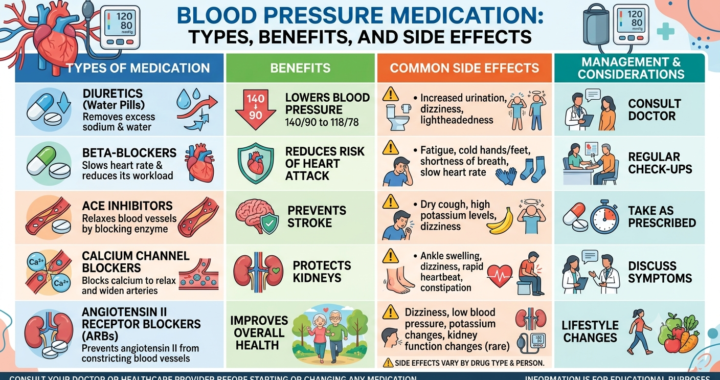
Natural approaches are most effective for those with Stage 1 or elevated high blood pressure. If you have Stage 2 hypertension or your blood pressure is still higher than 140/90 after making lifestyle changes, you may be given medication. These medications are often used in addition to these lifestyle changes, not as a substitute.
Do not stop or change blood pressure medication that has been prescribed without first consulting your doctor, even if your home readings improve.
Seek immediate medical care if you experience:
- Severe headache
- Blurred vision
- Chest pain or shortness of breath
- Blood pressure reading above 180/120
Frequently Asked Questions
What is the fastest way to lower blood pressure naturally? Deep breathing, light stretching, and taking a short walk can produce a short-term dip within minutes. For lasting change, cutting sodium and increasing physical activity tend to show measurable results within a few weeks.
Can drinking more water lower blood pressure? Some research suggests increased water intake may modestly reduce systolic blood pressure, though more studies are needed to confirm the effect. Staying hydrated supports overall cardiovascular function regardless.
What foods lower blood pressure quickly? Potassium-rich foods like bananas, leafy greens, and beets (high in nitrates) are commonly cited for their blood-pressure-lowering effects. No single food works instantly, but consistent intake supports better readings over time.
How long does it take to lower blood pressure naturally? Many people see initial improvement within 2 to 4 weeks of consistent changes, with fuller benefits developing over 3 months.
Can high blood pressure be reversed permanently? For many people with elevated or Stage 1 hypertension, sustained lifestyle changes can bring blood pressure into a healthy range without medication. Whether it’s fully “reversed” depends on individual risk factors, age, and underlying health conditions.
Is coffee bad for high blood pressure? Caffeine can cause a temporary spike in blood pressure, especially in people who don’t drink it regularly. For most regular coffee drinkers, moderate intake doesn’t cause long-term increases, but it’s worth monitoring your personal response.
Does stress alone cause permanently high blood pressure? Stress causes short-term spikes rather than permanent hypertension on its own. However, chronic stress often leads to habits — poor sleep, overeating, inactivity — that do contribute to sustained high blood pressure.
Key Takeaways
- Nearly half of U.S. adults have high blood pressure and many don’t know it.
- It’s not the drastic overhauls but the small consistent changes that yield the most lasting results.”
- There is the best evidence for natural blood pressure lowering with sodium reduction, regular exercise, weight management and the DASH diet.
- Sleep, stress, alcohol and smoking matter more than most people think.
- Lifestyle changes do work, in conjunction with medication, not necessarily as a replacement.
Your blood pressure numbers aren’t set in stone. Make one or two changes from this list, check your readings with a home monitor, and check in with your doctor every few months to see how you’re progressing. Small, steady steps can help keep your heart healthy for decades ahead.