
How to Lower Cholesterol Naturally: 15 Proven Ways
High cholesterol rarely announces itself. There’s no ache, no warning sign, just a number on a lab report that quietly raises your risk of heart attack and stroke.
The good news? For most people, cholesterol responds well to lifestyle changes. Research shows diet and exercise alone can lower LDL (“bad”) cholesterol by 5 to 20% within just a few months, sometimes without needing medication at all.
This guide walks through exactly what works, backed by guidance from the American Heart Association, Mayo Clinic, CDC, and peer reviewed research, plus what doesn’t work, how long results actually take, and when it’s time to talk to a doctor.
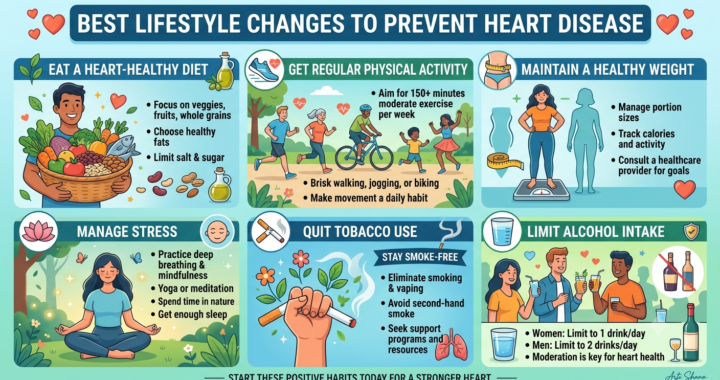
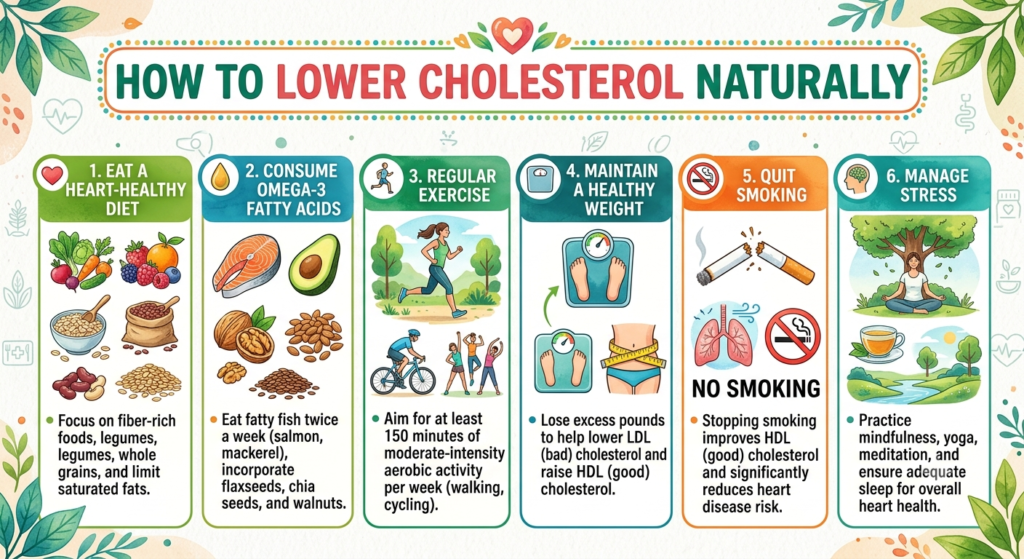
Naturally lowering your cholesterol levels is possible by reducing consumption of saturated and trans fat, consuming soluble fiber and unsaturated fats, physical activity for 150 minutes a week, losing extra weight, stopping smoking, and reducing alcohol consumption. Improvement will be visible within 4 to 12 weeks, but better effects will show within 3 to 6 months.
What Is Cholesterol, Really?
Cholesterol is a waxy, fat like substance your body needs to build cells and produce hormones. Your liver makes about 75 to 80% of it. The rest comes from food.
The problem isn’t cholesterol itself. It’s having too much of the wrong kind circulating in your blood. Two types matter most:
- LDL (low density lipoprotein): often called “bad” cholesterol. Excess LDL builds up in artery walls, forming plaque that narrows blood vessels.
- HDL (high density lipoprotein): the “good” kind. HDL carries excess cholesterol back to the liver for removal.
A third measurement, triglycerides, tracks a different type of blood fat. High triglycerides combined with low HDL significantly raise heart disease risk.
Healthy Cholesterol Levels at a Glance
| Measurement | Desirable | Borderline High | High Risk |
|---|---|---|---|
| Total Cholesterol | Below 200 mg/dL | 200 to 239 mg/dL | 240 mg/dL and above |
| LDL Cholesterol | Below 100 mg/dL | 130 to 159 mg/dL | 160 mg/dL and above |
| HDL Cholesterol | 60 mg/dL and above (protective) | 40 to 59 mg/dL | Below 40 mg/dL |
| Triglycerides | Below 150 mg/dL | 150 to 199 mg/dL | 200 mg/dL and above |
Targets vary by age, sex, and existing heart disease risk. People with heart disease or diabetes are often given a stricter LDL goal, sometimes below 70 mg/dL. Ask your doctor what’s right for you.
Diet Changes That Lower Cholesterol
Food has the single biggest lifestyle impact on cholesterol. Here’s where to focus first.
1. Cut Back on Saturated Fat
Saturated fat raises LDL more than anything else you eat. It’s concentrated in red meat, butter, full fat dairy, and tropical oils like palm and coconut oil.
Most health authorities recommend keeping saturated fat under 6 to 7% of your daily calories. In practice, that means:
- Swapping butter for olive oil
- Choosing lean cuts of meat and trimming visible fat
- Switching to low fat or fat free dairy
- Limiting baked goods, fried foods, and processed snacks
2. Avoid Trans Fats Entirely
Trans fat increases LDL cholesterol while reducing protective HDL cholesterol simultaneously, providing a dual whammy to your health. FDA banned partially hydrogenated oils back in 2021, but tiny amounts may be present in processed foods.
Look out for partially hydrogenated oil listed on the ingredient list, even when the label says “0g trans fat” on the packaging. Products may round off below 0.5g.
3. Eat More Soluble Fiber
Soluble fiber forms a gel in your digestive tract that binds cholesterol and carries it out of the body before it’s absorbed. Aim for 10 to 25 grams of soluble fiber daily.
Best sources of soluble fiber:
- Oats and oat bran
- Barley
- Beans, lentils, and chickpeas
- Brussels sprouts
- Apples, pears, and citrus fruit
- Psyllium husk (as a supplement, if needed)
A bowl of oatmeal with berries at breakfast is a simple, evidence backed place to start.
4. Choose Unsaturated Fats Over Saturated Ones
Not all fat is bad. Monounsaturated and polyunsaturated fats can actually lower LDL and raise HDL when they replace saturated fat in your diet.
| Fat Type | Effect on Cholesterol | Food Sources |
|---|---|---|
| Saturated | Raises LDL | Red meat, butter, full fat dairy, palm oil |
| Trans | Raises LDL, lowers HDL | Partially hydrogenated oils, some fried and packaged foods |
| Monounsaturated | Lowers LDL, may raise HDL | Olive oil, avocados, almonds, peanuts |
| Polyunsaturated (Omega 3/6) | Lowers triglycerides | Salmon, walnuts, flaxseed, sunflower oil |
Extra virgin olive oil stands out here. It’s one of the few oils shown to both lower LDL and raise HDL, and it’s a cornerstone of the Mediterranean diet.
5. Add Fatty Fish or Omega 3s Weekly
Omega 3 fatty acids don’t directly lower LDL, but they reduce triglycerides and support overall heart health. Aim for two servings of fatty fish per week.
Good sources include salmon, mackerel, sardines, herring, and trout. Plant based alternatives include walnuts, flaxseeds, and chia seeds.
6. Add Plant Sterols and Stanols
Found naturally in small amounts in nuts, seeds, and vegetable oils, plant sterols and stanols block cholesterol absorption in the gut because they’re structurally similar to cholesterol.
A 2014 review of 124 studies found that around 2 to 3.3 grams of phytosterols a day lowered LDL by 6 to 12% after roughly four weeks. You’ll need fortified foods, like certain margarines, orange juice, or yogurt drinks, to reach an effective dose, since diet alone typically provides far less.
7. Include Soy and Plant Protein
Swapping some animal protein for soy (tofu, tempeh, edamame, soy milk) has a modest but measurable LDL lowering effect, especially when it replaces higher fat meat and dairy.
8. Limit Dietary Cholesterol (With Context)
Older advice focused heavily on limiting cholesterol rich foods like eggs and shrimp. Current guidance is more nuanced: saturated fat has a much bigger impact on blood cholesterol than dietary cholesterol does for most people. Still, staying under roughly 200mg of dietary cholesterol a day is a reasonable target if you’re actively managing high LDL.
Foods That Help vs. Foods to Limit
| Eat More Of | Limit or Avoid |
|---|---|
| Oats, barley, whole grains | White bread, refined pasta |
| Beans, lentils, legumes | Processed meats (bacon, sausage) |
| Fatty fish (salmon, sardines) | Fried and deep fried foods |
| Nuts (almonds, walnuts) | Full fat dairy and butter |
| Olive oil, avocado | Packaged baked goods |
| Fruits and vegetables | Sugary drinks and snacks |
| Soy products | Fast food |
Move More: Exercise and Cholesterol
Exercise is one of the few natural strategies that directly raises HDL, the protective type of cholesterol, while also lowering LDL and triglycerides.
What’s recommended:
- At least 150 minutes of moderate aerobic activity per week (brisk walking, cycling, swimming), or 75 minutes of vigorous activity
- Two strength training sessions per week
- Small movement throughout the day. Taking stairs and walking after meals adds up
One study found measurable cholesterol changes in as little as 15 weeks of consistent moderate exercise. You don’t need to train like an athlete; consistency matters more than intensity.
Reach and Maintain a Healthy Weight
Carrying excess weight, especially around the abdomen, raises LDL and triglycerides while lowering HDL. The relationship works in reverse too: losing even a modest amount of weight measurably improves your lipid profile.
As a general benchmark, losing about 10 pounds is associated with a meaningful drop in LDL for many people. You don’t need to hit an “ideal” weight to see benefits. Even 5 to 10% weight loss can move your numbers in the right direction.
Quit Smoking
Smoking decreases HDL and also harms the lining of your arteries where LDL accumulates. But there’s a silver lining – this is one of the fastest changing behaviors on this list. Your HDL levels will start going up within weeks of stopping and will continue for a year afterward.
Limit Alcohol
Alcohol and Cholesterol
There is a misconception about the correlation between alcohol consumption and the level of cholesterol. There was a connection found between the moderate consumption of alcohol and increased levels of HDL; however, health organizations do not suggest starting to consume alcohol for that purpose.
If you already consume alcohol, then you should consume it in moderation. Women should have no more than one alcoholic beverage daily while men are allowed no more than two.
Manage Stress and Prioritize Sleep
Stress doesn’t raise cholesterol directly, but it often drives the habits that do: overeating, skipping workouts, smoking, or drinking more. Chronic stress also elevates hormones that can indirectly affect blood fats.
Practical steps that help:
- Aim for 7 to 9 hours of sleep nightly
- Build in regular movement, even short walks
- Try mindfulness, breathing exercises, or yoga
- Stay socially connected; isolation is linked to worse cardiovascular outcomes
Natural Supplements: What the Evidence Actually Shows
Supplements are popular, but the evidence is mixed. None should replace diet, exercise, or prescribed medication. Talk to your doctor before starting any of them, especially if you take other medications.
| Supplement | What the Evidence Shows |
|---|---|
| Psyllium husk | Soluble fiber supplement with solid evidence for lowering LDL |
| Plant sterols/stanols | Can lower LDL by 6 to 12% at effective doses (about 2 to 3g/day) |
| Omega 3 fish oil | Lowers triglycerides; doesn’t meaningfully lower LDL |
| Red yeast rice | May lower LDL, but potency varies widely between products; use only with medical guidance |
| Niacin (vitamin B3) | Some LDL/HDL benefit at high prescription doses, but recent research links high supplemental use to increased cardiovascular risk; not recommended without medical supervision |
The takeaway: fiber based and plant sterol supplements have the best safety and evidence profile. Be skeptical of products promising dramatic results, and always loop in your doctor, particularly if you’re already on statins or blood thinners.
How Long Does It Take to Lower Cholesterol Naturally?
The majority of individuals experience an improvement in the first four to twelve weeks following lifestyle modification, with full benefits experienced after three to six months. The changes in diet generally have a faster impact compared to exercise alone or both combined.
Several factors affect your personal timeline:
- How high your starting numbers are
- Genetics (some people respond to diet changes faster than others)
- How consistently you stick to the changes
- Whether you’re also managing weight, smoking, or alcohol use
If your cholesterol hasn’t improved after about 12 weeks of genuine lifestyle changes, that’s a normal point to revisit the conversation with your doctor, not a sign that you’ve failed.
When Lifestyle Changes Aren’t Enough
Lifestyle changes work well for many people, but not everyone can reach a healthy range through diet and exercise alone, and that’s not a personal failing. Genetics, including inherited conditions like familial hypercholesterolemia, can keep LDL elevated regardless of habits.
Talk to a doctor about medication if:
- Your LDL remains high after 3 to 6 months of consistent lifestyle changes
- You already have heart disease, diabetes, or a family history of early heart attacks
- You have very high LDL (190 mg/dL or above), which often requires treatment beyond lifestyle changes alone
Medication and lifestyle changes aren’t an either/or choice. Even people on statins are advised to keep up heart healthy habits. The combination often allows for a lower, more effective medication dose.
Frequently Asked Questions
Can you lower cholesterol in 30 days? Some improvement is possible within a few weeks. Small drops of around 5 to 10% have been shown with consistent diet changes in as little as 8 to 12 weeks. A full month is enough to start moving in the right direction, but significant, lasting change usually takes 3 to 6 months.
What foods lower cholesterol the fastest? Foods high in soluble fiber, such as oats, barley, beans, and psyllium, tend to show effects quickest because they block cholesterol absorption directly in the gut, often within a few weeks of daily use.
Does drinking water lower cholesterol? Water itself doesn’t lower cholesterol, but staying hydrated supports overall metabolism and can help you feel fuller, which may reduce overeating of high fat foods.
Are eggs bad for cholesterol? For most people, eggs have a smaller effect on blood cholesterol than saturated fat does. Moderate egg consumption is fine for most healthy people; those with diabetes or existing heart disease may want to discuss personal limits with a doctor.
Can stress alone cause high cholesterol? Not directly. Stress influences behaviors, like overeating or poor sleep, that raise cholesterol indirectly, and it can also affect hormone levels linked to blood fats.
Is coffee bad for cholesterol? Unfiltered coffee (French press, espresso) contains compounds called diterpenes that can modestly raise LDL. Filtered coffee removes most of these compounds and has little to no effect on cholesterol.
What lowers cholesterol overnight or immediately? Nothing lowers cholesterol overnight; it’s a gradual process. Be wary of any product claiming instant results, since cholesterol changes reliably take weeks to months.
Can you reverse high cholesterol without medication? Many people can bring cholesterol into a healthy range through sustained diet, exercise, and weight changes, particularly if levels are only mildly to moderately elevated. Genetic factors mean this isn’t achievable for everyone, which is why regular testing and medical guidance matter.
Does exercise lower cholesterol as much as diet does? Diet tends to have a larger direct effect on LDL, while exercise has a stronger effect on raising HDL and lowering triglycerides. The two work best together.
Key Takeaways
- Cholesterol responds to consistent, not perfect, habits. Small daily changes compound over months.
- Diet has the biggest impact: cut saturated and trans fats, add soluble fiber, and favor unsaturated fats.
- Exercise, weight loss, quitting smoking, and moderating alcohol all support healthier numbers.
- Most people see initial improvement in 4 to 12 weeks, with fuller results by 3 to 6 months.
- Supplements can help but shouldn’t replace medical advice, especially alongside existing medications.
- If lifestyle changes aren’t enough after a few months, medication isn’t a failure. It’s often the next reasonable step, alongside continued healthy habits.
Ready to get started? Book a lipid panel with your doctor to know your current numbers, then pick just one or two changes from this guide to focus on this week. Small, sustained shifts, not overnight overhauls, are what actually move cholesterol in the long run.