
Best Lifestyle Changes to Prevent Heart Disease
Heart disease kills more people in the United States than any other condition. It causes about 1 in 5 deaths every year. That statistic sounds frightening, but here is the part most people miss.
Up to 80 percent of heart disease and stroke cases are preventable. Your daily habits, not your genes, drive most of that risk. The American Heart Association confirms this in its 2026 lifestyle guidance, and decades of research back it up.
This guide breaks down exactly which lifestyle changes matter most, why they work, and how to start making them today. No fad diets. No fear tactics. Just clear, actionable steps grounded in current medical guidelines.
Key Takeaways
- Lifestyle factors, not genetics alone, drive most heart disease cases.
- The AHA’s Life’s Essential 8 framework covers diet, activity, nicotine avoidance, sleep, weight, cholesterol, blood sugar, and blood pressure.
- Small, consistent changes beat drastic short-term overhauls.
- Quitting smoking is the single fastest way to lower cardiovascular risk.
- Regular checkups catch silent risk factors like high blood pressure and high cholesterol before damage occurs.
Why Lifestyle Matters More Than You Think
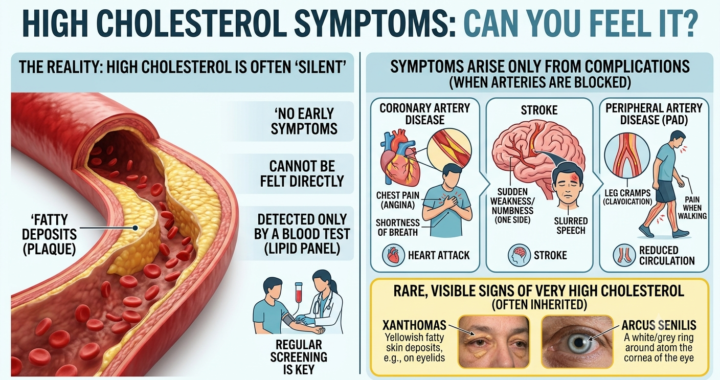
Coronary artery disease is the most common form of heart disease. It develops when plaque builds up inside your artery walls. That buildup narrows the arteries and restricts blood flow to your heart muscle.
TThis can be a long process that takes decades. The problem begins without any symptoms; it begins in silence. Only when chest pains or shortness of breath occurs, serious damage might have been done.
The good news is that it is a slow process. With each decision you make towards living a healthier life, you will either delay, halt, or even reverse the process. According to cardiologists, it is one of the very few chronic diseases where patients have this kind of power over the results.
The 8 Pillars of Heart Health (Life’s Essential 8)
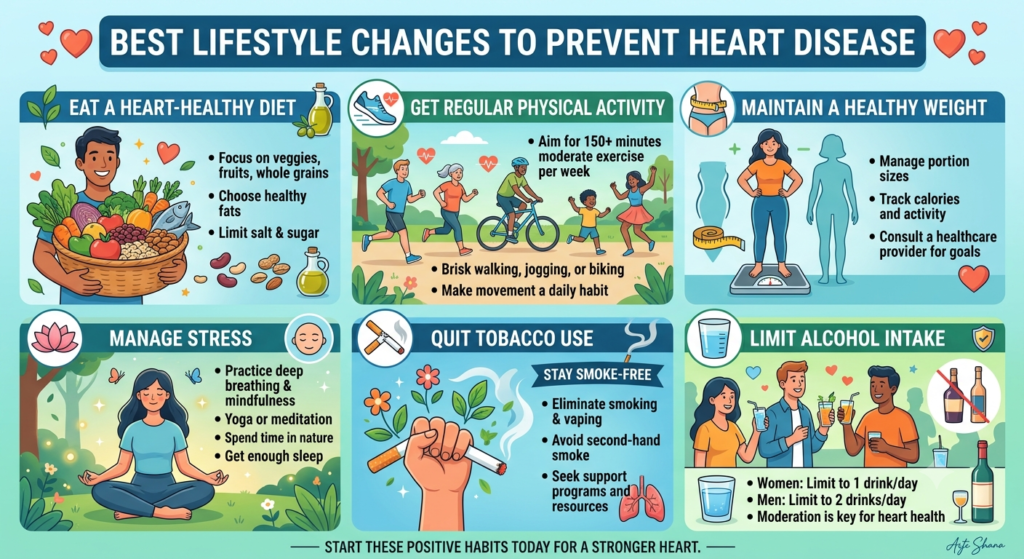
The American Heart Association organizes heart disease prevention into eight measurable pillars. It calls this framework Life’s Essential 8. Together, these pillars offer the clearest roadmap for lowering your cardiovascular risk.
| Pillar | Target | Why It Matters |
|---|---|---|
| Eat Better | Whole foods, produce, lean protein, healthy fats | Improves cholesterol and reduces inflammation |
| Be More Active | 150 min moderate or 75 min vigorous activity weekly | Strengthens the heart muscle and improves circulation |
| Quit Tobacco | Zero nicotine exposure, including vaping | Cuts risk of heart attack almost immediately |
| Get Healthy Sleep | 7 to 9 hours nightly | Regulates blood pressure and blood sugar |
| Manage Weight | BMI between 18.5 and 25 | Reduces strain on the heart and arteries |
| Control Cholesterol | Non-HDL cholesterol in healthy range | Prevents plaque buildup in arteries |
| Manage Blood Sugar | Fasting glucose in normal range | Protects blood vessels from damage |
| Manage Blood Pressure | Below 120/80 mm Hg | Lowers strain on arteries and heart |
Let’s walk through each pillar in detail, along with the specific actions that move the needle.
1. Eat a Heart-Healthy Diet
Diet quality has the single biggest impact on your cardiovascular numbers. The 2026 AHA dietary guidance carries its strongest recommendation grade for reducing cardiovascular events through diet alone.
What to Eat More Of
- Vegetables and fruits in a wide variety of colors
- Whole grains instead of refined grains
- Lean proteins, including fish, poultry, beans, and legumes
- Nuts and seeds
- Unsaturated fats like olive oil and canola oil
What to Limit
- Saturated fat, kept under 6 percent of total daily calories
- Added sugars, especially in drinks and packaged snacks
- Sodium, which drives up blood pressure
- Ultraprocessed foods
The Mediterranean Diet Advantage
Of all the dietary patterns investigated, the Mediterranean diet comes out as having the highest health advantage when it comes to heart health. The diet features more fruits and vegetables, olive oil, fish, and whole grains but less red meat and processed foods.
There is research showing that this dietary pattern helps reduce inflammation, improves cholesterol levels, and cuts the risk of cardiovascular diseases. You don’t have to be perfect at following this diet.
Expert tip: Read nutrition labels for hidden sugar. Many “healthy” foods like flavored yogurt, granola bars, and sauces carry surprising amounts of added sugar that quietly raise your risk over time.
2. Move Your Body Regularly
Physical activity strengthens your heart the same way it strengthens any other muscle. It also improves blood pressure, cholesterol, blood sugar, and weight, all at once.
The current recommendation calls for:
- 150 minutes of moderate activity per week, or
- 75 minutes of vigorous activity per week
- Plus muscle-strengthening activity at least twice weekly
Moderate activity includes brisk walking, cycling, or swimming. Vigorous activity includes running, fast cycling, or high-intensity interval training.
You do not need a gym membership to hit these numbers. A 30-minute brisk walk, five days a week, satisfies the moderate activity target on its own.
How to Build the Habit
- Start with 10-minute walks after meals.
- Add one strength session per week using bodyweight exercises.
- Take stairs instead of elevators when possible.
- Track your steps and aim to increase them gradually.
- Choose activities you actually enjoy so the habit sticks.
3. Quit Smoking and Avoid Nicotine
Smoking is the main preventable cause of death in the US. Smoking accounts for about one-third of all heart disease-related deaths.
Nicotine adversely affects the blood vessels, increases blood pressure, and decreases blood oxygen levels. In consequence, the heart has to work harder in pumping every time it beats.
The good news is that from the very first day you stop smoking, your risks start decreasing. After one year, your chances of developing heart disease drop drastically compared to those who keep on smoking.
These recommendations apply to vaping as well as e-cigarettes. The delivery of nicotine through whatever medium still puts strain on the cardiovascular system.
Steps to Quit Successfully
- Set a quit date and prepare for cravings in advance.
- Ask your doctor about nicotine replacement therapy or prescription support.
- Identify your smoking triggers and plan alternatives.
- Call 1-800-QUIT-NOW for free coaching and support.
- Avoid secondhand smoke exposure as well, since it carries similar risks.
4. Prioritize Quality Sleep
Sleep earned its place in the Life’s Essential 8 framework because the evidence is that strong. Poor sleep duration and quality are tied to higher blood pressure, obesity, and diabetes, all major heart disease risk factors.
Most adults need 7 to 9 hours of sleep each night. Both too little and too much sleep are linked with worse cardiovascular outcomes.
Habits That Improve Sleep Quality
- Keep a consistent bedtime and wake time, even on weekends.
- Keep your bedroom dark, cool, and quiet.
- Avoid caffeine and alcohol in the hours before bed.
- Limit screen time at least 30 minutes before sleep.
- Treat sleep as a non-negotiable part of your health routine, not a luxury.
If you snore heavily or wake up gasping for air, ask your doctor about sleep apnea screening. This condition significantly raises cardiovascular risk and is often treatable.
5. Maintain a Healthy Weight
Carrying excess weight, especially around the waist, increases strain on your heart and raises your risk of high blood pressure, high cholesterol, and diabetes.
Body mass index (BMI) offers a useful starting gauge, with 18.5 to 25 considered the optimal range for most adults. Waist circumference matters too. Risk climbs at 35 inches or more for women and 40 inches or more for men.
Weight loss does not require extreme measures. Losing even 5 to 10 percent of your current body weight can meaningfully improve blood pressure and cholesterol.
Practical approach: Focus on sustainable calorie balance through portion awareness and consistent activity, rather than short-term restrictive diets that are difficult to maintain long term.
6. Control Your Cholesterol
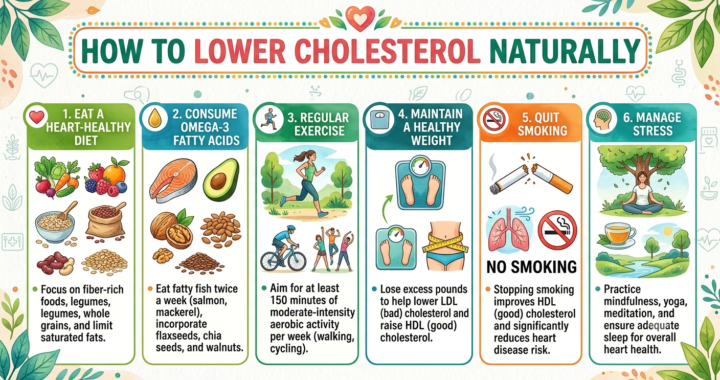
High LDL cholesterol, often called “bad” cholesterol, builds up inside artery walls and forms plaque. HDL cholesterol, the “good” kind, helps clear LDL from your bloodstream.
Updated 2026 cardiology guidelines now emphasize non-HDL cholesterol as a preferred measurement, since it can be checked without fasting and applies reliably across different populations.
Ways to improve your cholesterol profile:
- Replace saturated fats with unsaturated fats.
- Add soluble fiber from oats, beans, and fruit.
- Exercise regularly to raise HDL levels.
- Ask your doctor whether medication is appropriate alongside lifestyle changes, particularly if you carry additional risk factors like diabetes or a family history of early heart disease.
Adults should have cholesterol checked at least once every four to six years, and more frequently if risk factors are present.
7. Manage Blood Sugar
Most of the food you eat converts into glucose for energy. Over time, chronically high blood sugar damages blood vessels, nerves, and organs, including the heart.
This connection is why type 2 diabetes and heart disease so often appear together. Managing blood sugar protects your cardiovascular system even if you have not been diagnosed with diabetes.
Steps that help:
- Limit added sugar and refined carbohydrates.
- Stay physically active, since exercise improves insulin sensitivity.
- Maintain a healthy weight.
- Get regular blood glucose screening, especially with a family history of diabetes.
8. Manage Blood Pressure
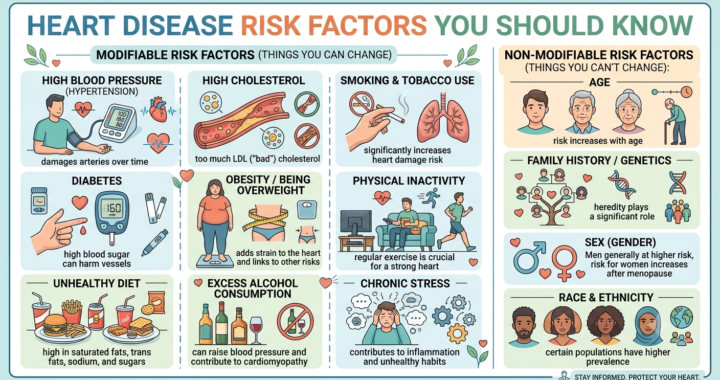
High blood pressure is one of the leading drivers of heart disease and often produces no symptoms at all. That silence is exactly why routine screening matters so much.
Optimal blood pressure sits below 120/80 mm Hg. Consistently higher readings force your heart and arteries to work harder over time, increasing the risk of heart attack and stroke.
Lifestyle strategies that lower blood pressure:
- Reduce sodium intake.
- Limit alcohol consumption.
- Stay active and manage weight.
- Manage stress through relaxation techniques or counseling.
- Take prescribed medication consistently if your doctor recommends it.
Don’t Overlook Stress and Mental Health
Chronic stress raises cortisol and adrenaline levels, which can elevate blood pressure and encourage unhealthy coping habits like overeating, smoking, or inactivity. Long-term emotional strain is increasingly recognized as a genuine cardiovascular risk factor, not just a quality-of-life issue.
Simple stress-management strategies include:
- Practicing deep breathing or meditation for a few minutes daily.
- Staying connected with friends and family.
- Making time for hobbies and rest.
- Seeking professional support when stress feels unmanageable.
Limit Alcohol Intake
Heavy alcohol use raises blood pressure, contributes to weight gain, and can weaken the heart muscle over time. If you drink, keep intake moderate: generally up to one drink daily for women and up to two for men, according to standard clinical guidance. If you do not currently drink, there is no cardiovascular reason to start.
Schedule Regular Checkups
Many heart disease risk factors, including high blood pressure, high cholesterol, and elevated blood sugar, produce no noticeable symptoms in their early stages. Routine screening is the only reliable way to catch them before they cause damage.
Talk to your doctor about how often you need:
- Blood pressure checks
- Cholesterol panels
- Blood glucose testing
- A personalized cardiovascular risk assessment, especially if you have a family history of heart disease
A Simple Weekly Heart-Health Checklist
Use this as a quick self-check to see how your week is shaping up.
- Ate vegetables or fruit at most meals
- Moved your body on most days
- Slept 7 to 9 hours most nights
- Avoided tobacco and vaping entirely
- Kept alcohol intake moderate
- Took time to manage stress
- Stayed on track with prescribed medications, if applicable
Checking most of these boxes most weeks puts you well ahead of the average American adult, more than 11 percent of whom already live with some form of cardiovascular disease.
Frequently Asked Questions
What is the number one lifestyle change to prevent heart disease? Quitting smoking produces the fastest and most dramatic risk reduction of any single change. However, no single habit works in isolation. Combining a healthy diet, regular activity, and good sleep produces the strongest long-term protection.
Can heart disease be reversed with lifestyle changes? In many cases, lifestyle changes can slow, stop, or partially reverse early plaque buildup, particularly when paired with medical treatment. Results vary by individual, so work with your doctor to track progress through testing.
How much exercise do I need to protect my heart? Aim for 150 minutes of moderate activity or 75 minutes of vigorous activity per week, plus strength training twice weekly. Even shorter sessions spread across the week still provide meaningful benefit.
Does stress really cause heart disease? Chronic stress contributes to high blood pressure and unhealthy coping behaviors, both of which raise cardiovascular risk. It is considered a genuine risk factor, not just a general wellness concern.
What foods should I avoid to prevent heart disease? Limit foods high in saturated fat, trans fat, added sugar, and sodium. This includes many processed snacks, fried foods, sugary drinks, and packaged baked goods.
At what age should I start worrying about heart disease prevention? Prevention works best when it starts early, ideally in childhood and young adulthood. Cholesterol and blood pressure checks are recommended starting in early adulthood, and sooner if you have risk factors like obesity, diabetes, or a family history of heart disease.
Is heart disease genetic, or can I prevent it? Genetics do play a role, especially with conditions like familial hypercholesterolemia. However, lifestyle factors influence the majority of cases, meaning your daily choices still carry significant weight even with a family history.
How does sleep affect heart disease risk? Both too little and too much sleep are linked to higher rates of high blood pressure, obesity, and diabetes. Aiming for 7 to 9 hours of consistent, quality sleep supports healthy blood pressure and blood sugar regulation.
Final Thoughts
Preventing heart disease is not about perfection. It is about consistency across a handful of key areas: what you eat, how much you move, whether you smoke, how well you sleep, and how you manage weight, cholesterol, blood sugar, and blood pressure.
Small, sustainable changes compound over years and decades. Start with one pillar this week. Add another next month. Talk to your doctor about your personal risk factors and get the screenings you need.
Your heart works every second of every day. Give it the support it deserves, starting today.