
Why Am I Not Losing Weight? Common Reasons Explained
You’re eating better. You’re moving more. You’re doing everything you were told to do.
And the scale still won’t budge.
If you’ve typed “why am I not losing weight” into a search bar out of pure frustration, you’re not alone, and you’re not broken. Weight loss is not a simple math problem, even though it’s often sold that way. Your hormones, sleep, stress levels, muscle mass, medications, and even how you’re tracking progress all play a role.
This guide breaks down the real, evidence-based reasons weight loss stalls, and exactly what to do about each one. No fad diets, no guilt trips, just the facts.
Key Takeaways
- Weight loss plateau is natural and generally temporary and does not mean anything is malfunctioning.
- Hidden calories, miscalculation of calories, and decreasing calorie needs are the usual reasons for weight loss plateaus.
- Sleep, stress, and hormones affect weight loss just as much as food and physical activity.
- Gains in muscle mass, water retention, and your menstrual period could be factors hiding fat loss.
- Some medicines and unknown diseases might hinder your progress despite your impeccable behavior.
- Visit your physician if you are experiencing unusual weight fluctuations along with fatigue.
Why Weight Loss Stalls?
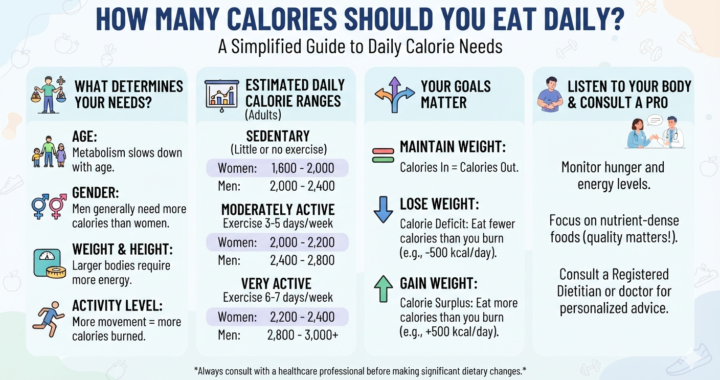
At a basic level, you lose weight when you burn more calories than you consume. That part is true. But your body is not a simple calculator. It constantly adjusts your appetite, metabolism, and energy use in response to what you eat, how you sleep, and how stressed you are.
So when weight loss stops, it’s rarely just one thing. It’s usually a mix of small, overlooked factors working against you at once. Let’s go through them one by one.
1. You’ve Hit a Weight Loss Plateau (And That’s Normal)
Rapid weight loss typically becomes much slower after the initial period of one to two weeks. Initial progress usually involves losing a significant amount of water weight, particularly if carbohydrates are reduced.
Plateaus can also occur due to biological reasons. The fewer calories you require for your daily activities the slimmer your body gets, because the lower weight requires less energy to be spent. When continuing with the same calorie intake you were consuming when you were bigger, your calorie deficit becomes nonexistent.
What to do:
- Recalculate your calorie needs every 10 to 15 pounds lost.
- Expect plateaus lasting one to three weeks as a normal part of the process.
- Track trends over several weeks instead of judging progress day to day.
2. Your Calorie Deficit Has Quietly Disappeared
This is the single most common reason weight loss stalls. Small, easy-to-miss sources of calories add up fast.
Common hidden calorie sources include:
| Source | Why It’s Easy to Miss |
|---|---|
| Cooking oils and butter | Added during prep, rarely measured |
| Coffee creamers and lattes | Feel like drinks, not food |
| Alcohol | High in calories, low in fullness |
| Sauces, dressings, and condiments | Small portions, big calorie totals |
| Weekend meals | Not tracked as consistently as weekdays |
| “Healthy” snacks | Nuts, granola, and smoothies are calorie-dense |
Research consistently shows that people underestimate how much they eat, sometimes by 20 percent or more, especially when not using a food scale.
What to do:
- Weigh and log food for at least one to two weeks to spot blind spots.
- Measure oils and dressings instead of eyeballing them.
- Track weekends as closely as weekdays.
3. You’re Not Getting Enough Protein
Protein not only builds muscles; it will keep you satiated, maintains your lean muscle when losing weight, and slightly boosts your caloric expenditure during digestion.
Low protein intake will lead to increased feelings of hunger, accelerated muscle loss, and possible metabolic slowdown. In the majority of diets, protein should make up around 25 to 30 percent of your caloric intake, which usually translates to 0.7 to 1 gram of protein per pound of body weight.
What to do:
- Add a protein source to every meal: eggs, poultry, fish, tofu, Greek yogurt, or legumes.
- Aim for 20 to 30 grams of protein per meal.
- Pair protein with fiber-rich vegetables to increase fullness.
4. You’re Not Sleeping Enough
Poor sleep disrupts two key appetite hormones: ghrelin, which triggers hunger, and leptin, which signals fullness. Just one night of short sleep can increase ghrelin and reduce leptin, making you hungrier the next day and more likely to crave high-calorie foods.
Sleep deprivation is also linked to insulin resistance, which makes it harder for your body to use blood sugar efficiently and easier to store it as fat.
What to do:
- Aim for 7 to 9 hours of sleep most nights.
- Keep a consistent sleep and wake schedule, even on weekends.
- Limit screens and caffeine in the hours before bed.
5. Chronic Stress Is Working Against You
Ongoing stress raises cortisol, a hormone that increases appetite, drives cravings for sugary and fatty foods, and encourages fat storage, particularly around the abdomen.
Stress also makes it harder to sleep well and easier to reach for comfort food, creating a cycle that’s difficult to break through willpower alone.
What to do:
- Build in daily stress-reduction habits: walking, breathing exercises, or short meditation sessions.
- Protect sleep, since poor sleep amplifies stress hormones.
- Consider talking to a therapist if stress or emotional eating feels unmanageable.
6. Your Workouts Aren’t Matching Your Goals
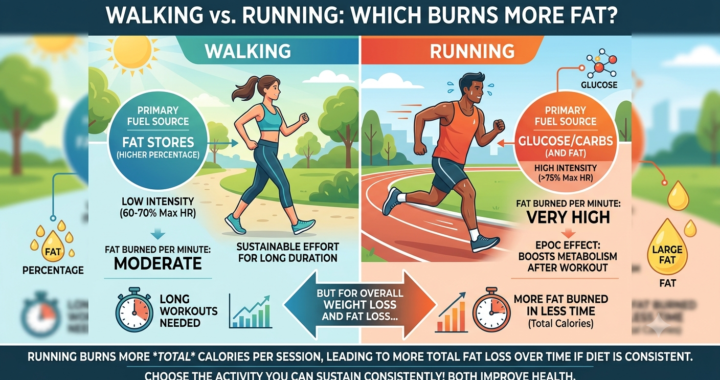
Exercise supports weight loss, but it’s often overestimated as a calorie-burning tool and underestimated as a muscle-preserving one.
Common exercise mistakes include:
- Overestimating calories burned. Fitness trackers often overstate calorie burn by 20 to 40 percent.
- Doing only cardio. Cardio burns calories during the session, but strength training builds muscle that raises your resting metabolic rate over time.
- “Rewarding” workouts with food. A 300-calorie workout is easily offset by a 400-calorie post-gym snack.
What to do:
- Add two to three strength training sessions per week to preserve and build muscle.
- Don’t rely solely on tracker estimates for calories burned.
- Focus on consistency over intensity.
7. The Scale Isn’t Telling the Whole Story
Protein not only builds muscles; it will keep you satiated, maintains your lean muscle when losing weight, and slightly boosts your caloric expenditure during digestion.
Low protein intake will lead to increased feelings of hunger, accelerated muscle loss, and possible metabolic slowdown. In the majority of diets, protein should make up around 25 to 30 percent of your caloric intake, which usually translates to 0.7 to 1 gram of protein per pound of body weight.
Other non-fat factors that affect the scale include:
- Water retention from sodium intake or intense workouts
- Glycogen (stored carbohydrate) fluctuations
- Menstrual cycle changes, which can shift water weight by several pounds
- Constipation and digestive changes
What to do:
- Track waist and hip measurements, progress photos, and how clothes fit.
- Weigh yourself at the same time of day, and look at weekly averages, not daily numbers.
- Don’t panic over a two- to three-pound daily swing.
8. Underlying Health Conditions May Be Involved
Several medical conditions can make weight loss significantly harder, even with consistent effort. The most common include:
- Hypothyroidism, which slows metabolism
- Polycystic ovary syndrome (PCOS), which affects insulin and hormone regulation
- Insulin resistance, where cells stop responding well to insulin, encouraging fat storage
- Cushing’s syndrome, caused by excess cortisol
These conditions don’t affect everyone, but they’re worth ruling out if you’ve been consistent for months without any results.
What to do:
- Ask your doctor for bloodwork covering thyroid function, blood sugar, and relevant hormone levels.
- Don’t self-diagnose; symptoms overlap across many conditions.
- Track your food and activity for two to four weeks before your appointment so your doctor has real data to review.
9. Medications Could Be a Factor
Certain medications are known to cause weight gain or make weight loss more difficult, including some:
- Antidepressants and antipsychotics
- Corticosteroids
- Beta-blockers
- Diabetes medications, particularly some insulin regimens
- Hormonal birth control, for some individuals
What to do:
- Never stop a prescribed medication without medical guidance.
- Ask your doctor whether an alternative with less weight impact is available.
- Factor in extra patience if you’re on a medication known to affect weight.
10. You’re Drinking Your Calories
Liquid calories are easy to underestimate because they don’t create the same fullness as solid food. Juice, soda, alcohol, specialty coffee drinks, and smoothies can add several hundred calories a day without much notice.
Alcohol adds a second problem: it temporarily halts fat burning while your body prioritizes metabolizing the alcohol first.
What to do:
- Log every drink, not just meals.
- Swap sugary drinks for water, black coffee, or unsweetened tea.
- Treat alcohol as an occasional choice, not a daily habit, during active weight loss.
11. Your Expectations Don’t Match Biology
Healthy, sustainable fat loss typically averages 0.5 to 2 pounds per week. Faster loss usually means water weight or muscle loss, not extra fat burned.
Weight loss also isn’t linear. It’s normal to lose nothing for one to two weeks, then drop suddenly. This is often called a “whoosh effect,” and it’s a completely normal part of the process, not a sign that something has gone wrong.
What to do:
- Set realistic timelines based on 0.5 to 1 percent of body weight lost per week.
- Judge progress over four-week windows, not single days.
- Celebrate non-scale progress: energy, strength, sleep quality, and how clothes fit.
12. Tracking Errors Are More Common Than You Think
Even careful trackers make mistakes. Studies on self-reported food intake consistently show a gap between what people log and what they actually eat, largely from forgotten bites, inaccurate portion sizes, and inconsistent logging on busy or social days.
What to do:
- Use a kitchen scale for two weeks to recalibrate your sense of portion sizes.
- Log food in real time, not from memory at the end of the day.
- Recheck your calorie and macro targets every few weeks, since needs shift as weight changes.
When to See a Doctor
Most stalls resolve with small adjustments. But it’s worth booking an appointment if you notice:
- Weight changes that don’t match your eating or activity levels
- Extreme fatigue, hair loss, or feeling cold often
- Irregular periods or other hormone-related symptoms
- No progress at all after two to three months of consistent effort
A doctor can run bloodwork, review your medications, and rule out underlying conditions that diet and exercise alone can’t fix.
Frequently Asked Questions
Why am I not losing weight even though I’m in a calorie deficit? You may be in a smaller deficit than you think due to underestimated portions, hidden calories in oils and drinks, or a slower metabolism from previous weight loss. Recalculating your calorie needs and tracking more precisely for two weeks usually reveals the gap.
Why am I not losing weight even though I exercise every day? Exercise burns fewer calories than most people assume, and fitness trackers often overestimate the number. Diet typically has a bigger impact on weight loss than exercise alone, so pair your workouts with attention to food intake and sleep.
Can stress really stop weight loss? Yes. Chronic stress raises cortisol, which increases appetite, drives cravings, and encourages fat storage around the abdomen. Managing stress through sleep, movement, and relaxation techniques can help unstick a plateau.
How long can a weight loss plateau last? Most plateaus resolve within one to three weeks once you make an adjustment, such as reassessing calorie needs or improving sleep. If a stall lasts longer than a month with no changes, it’s worth reviewing your habits or consulting a doctor.
Does muscle weigh more than fat? Muscle is denser than fat, meaning it takes up less space per pound. This is why the scale can stay flat, or even rise slightly, while your body composition improves and clothes fit better.
What medical conditions cause weight loss resistance? Hypothyroidism, PCOS, insulin resistance, and Cushing’s syndrome are among the most common conditions linked to weight loss difficulty. Bloodwork from a doctor can rule these in or out.
Is it normal to not lose weight for weeks at a time? Yes. Weight loss is not linear, and stalls lasting one to three weeks are a normal part of the process, especially after the first month of a new plan.
The Bottom Line
Not being able to lose weight does not mean that you’re doing anything incorrectly. On the contrary, it usually means that one of several minor aspects, such as hidden calories, lack of sleep, stress, gaining muscle, or a decreasing caloric deficit, is silently sabotaging your efforts.
Begin with recording your nutrition and sleep habits for two weeks to notice any patterns. Engage in strength training if you have not done so before. Recalculate the amount of calories you need according to your new weight. And if you have tried to do everything mentioned above for months without success, consult your physician about any possible conditions you might have.
No matter how hard it might be, keep going, stay consistent and focused.