
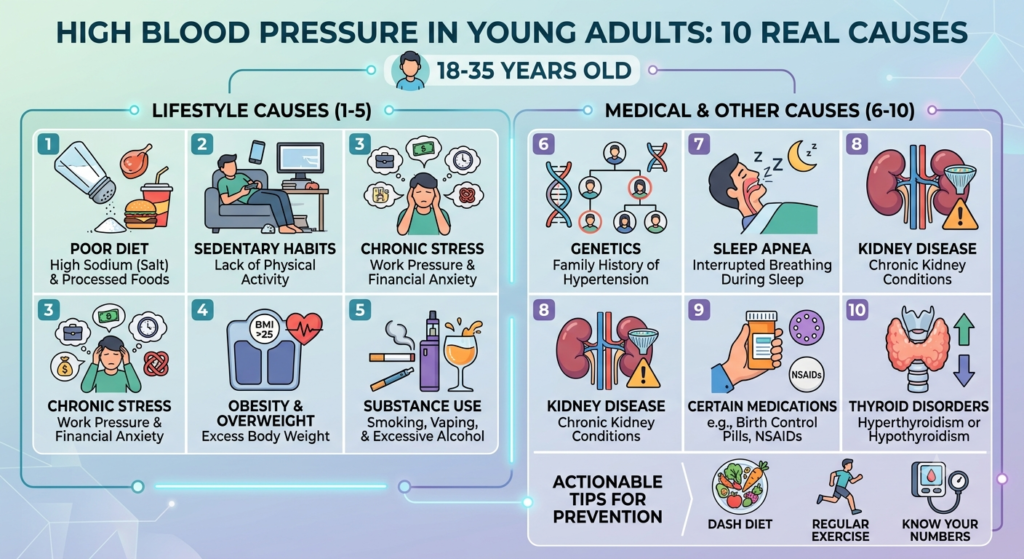
High Blood Pressure in Young Adults: 10 Real Causes
You’re 24 years old. You feel great. You regularly participate in 5K races on weekends, and you prefer salads to junk food. Why does the nurse practitioner just tell you your blood pressure is slightly elevated?
If this scenario seems all too familiar, you’re definitely not alone. Studies have found that about one out of four young adults between 18 and 39 years old suffer from hypertension, and the majority of them do not even know about it since there are rarely any noticeable signs of the disease.
Not only that, it is coming to affect younger people than before due to various reasons, which could be lurking right underneath your nose, such as your diet, your sleeping habits, how much alcohol you consume, or even the birth control pill you take.
This book explains why young people develop high blood pressure, who is at risk for developing it, and more importantly, what can actually do to help lower your blood pressure.
Key Takeaways
- Hypertension impacts approximately 1 out of every 4 to 1 out of every 5 adults who are between the ages of 18-39 years old. However, most cases go undiagnosed as there are no symptoms.
- Hypertension is identified as having a measurement of 130/80 mm Hg or above and this diagnosis is determined on two different occasions according to U.S. standards.
- The major factors in young adults that cause this condition include overweight, increased sodium consumption, alcohol, cigarettes, vaping, chronic stress, lack of proper sleep, and sedentary behavior.
- Rarely does secondary hypertension occur where another medical condition causes the high blood pressure in younger individuals.
- Positive note is that if detected early, lifestyle modifications will reduce systolic blood pressure levels by 15-25 mm Hg or even more.
What Counts as “High” Blood Pressure? (Quick Reference)
Before diving into causes, it helps to know what the numbers actually mean. Blood pressure is written as two numbers: systolic (pressure when your heart beats) over diastolic (pressure when your heart rests between beats).
| Category | Systolic (top) | Diastolic (bottom) | |
|---|---|---|---|
| Normal | Below 120 | and | Below 80 |
| Elevated | 120–129 | and | Below 80 |
| High Blood Pressure – Stage 1 | 130–139 | or | 80–89 |
| High Blood Pressure – Stage 2 | 140 or higher | or | 90 or higher |
| Hypertensive Crisis | Above 180 | and/or | Above 120 |
A hypertensive crisis reading needs immediate medical attention, especially with symptoms like chest pain, shortness of breath, or vision changes — call 911.
For everyone else, a single high reading isn’t a diagnosis. Doctors typically confirm hypertension using an average of two or more readings taken on separate visits.
Just How Common Is High Blood Pressure in Young Adults?
It’s more common than most people assume:
- According to data between 2017 and 2020, about one in four young adults between the ages of 18 and 39 years suffer from high blood pressure.
- About one in eight adults in the age range of 20 to 40 years meets the conditions of hypertension.
- The increasing trend also extends to children and adolescents; one study that evaluated more than 2,600 youth aged 8 to 19 showed almost 9% of the subjects suffering from raised blood pressure and more than 5% meeting the criteria for hypertension in pediatrics.
- Even when the numbers indicate the condition of hypertension, younger adults are not diagnosed or treated as often as older adults due to age-related expectations.
That last point matters. High blood pressure earlier in life tracks forward, meaning the numbers you have at 25 tend to predict the numbers you’ll have at 55. Catching and correcting it now is one of the most protective things you can do for your future heart, brain, and kidneys.
Primary vs. Secondary Hypertension: Two Different Stories
Doctors split high blood pressure into two categories, and knowing the difference shapes how it gets treated.
Primary (Essential) Hypertension
This is the most common type, especially in adults over 30. There’s no single identifiable cause — instead, it develops gradually from a combination of genetics and lifestyle factors that build up over years.
Secondary Hypertension
This type appears suddenly, often with higher readings than primary hypertension, and it’s caused by an underlying condition or substance. It’s more likely to be the culprit in younger patients, especially those under 30 without obesity or a family history. Common causes include:
Kidney disease or kidney artery narrowing
Thyroid disorders (hyperthyroidism or hypothyroidism)
Obstructive sleep apnea
Adrenal gland tumors or hormone disorders
Certain congenital heart defects
If you’re young, lean, and suddenly have high readings, this is exactly why your doctor may order extra bloodwork or imaging — they’re ruling out a secondary cause rather than assuming it’s lifestyle-driven.
10 Causes of High Blood Pressure in Young Adults
1. Excess Weight and Body Fat
One of the most reliable markers of hypertension in young people includes BMI over 25 or a waist-hip ratio higher than 0.85. Adipose tissue, especially abdominal fat, secretes substances that cause inflammation and stress, which leads to the constriction of blood vessels and increased heart activity. Furthermore, studies found that more than 30% of overweight teenagers suffer from hypertension, and this condition often persists through adulthood.
2. High Sodium, Low Potassium Diets
More than ten grams of salt per day can raise the blood pressure level. It may happen due to consumption of processed foods, fast food, and unhealthy snacks which contain high sodium content. These kinds of foods also limit intake of other nutritious foods which help in lowering blood pressure. Potassium rich foods like vegetables, fruits and legumes help in removing excess amount of sodium from the body.
3. Alcohol Consumption
Regular drinking raises blood pressure in a dose-dependent way. One study of young adults found that abstaining from alcohol cut hypertension risk substantially. Alcohol affects the nervous system’s control over blood vessel tone and can also contribute to weight gain, compounding the effect.
4. Tobacco and Vaping
Whether nicotine is consumed via cigarettes, chewing tobacco, or vaping, there is an immediate rise in blood pressure and heart rate. Over time, nicotine consumption results in the deterioration of blood vessel walls, thus leading to increased stiffness and narrowing of the arteries. A study involving young adult smokers has found smoking to be a significant modifiable risk factor for hypertension.
5. Chronic Stress
Ongoing academic pressure, job instability, and financial stress trigger a sustained release of stress hormones like cortisol and adrenaline. In short bursts, this raises blood pressure temporarily. But when stress becomes constant — as it often is for students and early-career professionals — that temporary spike can settle into a chronic pattern.
6. Physical Inactivity
Young people lack the necessary amount of weekly moderate physical activity, which amounts to 150 minutes. Sedentary life negatively affects the heart and causes overweight, which causes an increase in blood pressure. However, regular aerobic exercises are considered one of the best ways to decrease it.
7. Poor Sleep and Sleep Apnea
Irregular sleep schedules, short sleep duration, and undiagnosed obstructive sleep apnea all interfere with the body’s overnight blood pressure “dip,” a natural drop that should occur during deep sleep. Sleep apnea in particular is an underrecognized secondary cause of hypertension in younger adults, especially those who are overweight or snore heavily.
8. Certain Medications
Several common prescriptions can raise blood pressure as a side effect, including:
- Combined oral contraceptives containing estrogen
- Some antidepressants
- NSAIDs (like ibuprofen and naproxen), especially with frequent use
- Decongestants and cold medications
- Corticosteroids
This doesn’t mean you should stop a prescribed medication on your own — but it’s worth mentioning to your doctor if your blood pressure rises after starting something new.
9. Illegal or Performance-Enhancing Drugs
Anabolic-androgenic steroids, cocaine, amphetamines, and MDMA have been known to increase blood pressure levels significantly because of their ability to cause constriction of blood vessels. Cocaine happens to be one of the recreational drugs that contribute largely to high blood pressure.
10. Genetics and Family History
If a parent or sibling has hypertension, your own risk climbs — some families simply carry a stronger genetic predisposition, affecting how the kidneys handle sodium or how blood vessels respond to hormones. Race is also a factor: hypertension tends to develop earlier and more severely in Black adults, independent of lifestyle.
Why Are More Young Adults Getting High Blood Pressure Now?
This isn’t just better detection — the underlying patterns have genuinely shifted. A few forces are converging:
- Diet quality has declined. Ultra-processed, high-sodium convenience foods now make up a larger share of daily calories for many young adults.
- Obesity rates have risen across the same age group, and adipose tissue directly drives blood pressure up.
- Chronic, low-grade stress is more constant, fueled by academic debt, job precarity, and social pressures.
- Economic barriers to care are common. Many young adults with high blood pressure also face being uninsured or having limited access to regular checkups, so problems go undetected longer.
- Screening thresholds were lowered in 2017, meaning more people now qualify for a diagnosis at readings that used to be considered “borderline.”
Symptoms to Watch For (Even Though There Usually Aren’t Any)
High blood pressure has earned its nickname, “the silent killer,” because it typically causes zero symptoms until it reaches dangerous levels. That’s exactly what makes it risky for young adults, who may go years without a checkup.
At very high readings — generally above 180/120 mm Hg — some people do experience warning signs. Treat any of these as a medical emergency:
- Severe headache
- Chest pain
- Shortness of breath
- Vision changes
- Numbness, weakness, or difficulty speaking
- Back pain
If you notice these symptoms alongside a very high reading, call 911 immediately rather than waiting to see if it passes.
What Happens If It’s Left Untreated?
Blood pressure damage is cumulative and often invisible for years. Left unaddressed, sustained high blood pressure can:
- Damage and stiffen artery walls (atherosclerosis)
- Force the heart to enlarge and weaken over time
- Increase the risk of heart attack and stroke
- Strain the kidneys’ filtering ability, raising the risk of kidney disease
- Contribute to vision loss through damage to the eyes’ blood vessels
- Raise the long-term risk of cognitive decline
Because blood pressure patterns established in your 20s and 30s tend to persist for decades, addressing it now has an outsized payoff compared to waiting.
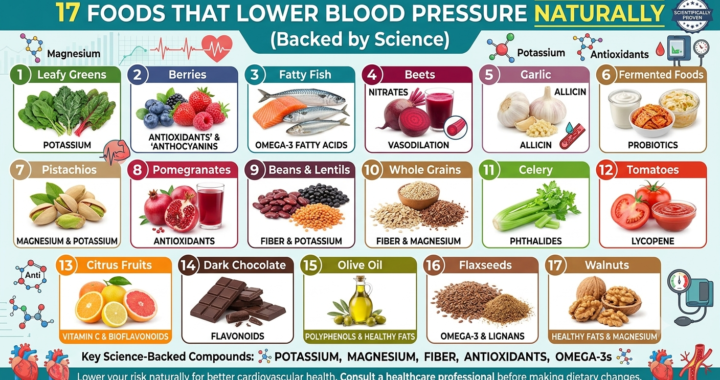
How to Lower Your Blood Pressure: What Actually Works
The encouraging part of this story is that young adults respond exceptionally well to lifestyle changes — often better than older adults, whose arteries have already stiffened with age.
| Intervention | Typical Systolic BP Reduction |
|---|---|
| DASH diet (fruits, vegetables, whole grains, low-fat dairy) | 8–14 mm Hg |
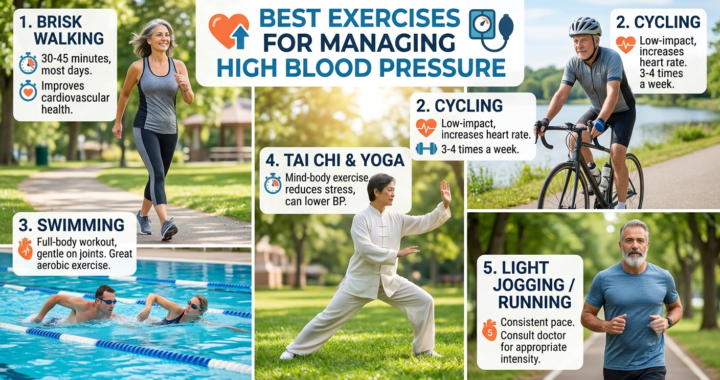
| Regular aerobic exercise | 5–8 mm Hg |
| Reducing sodium intake | 5–6 mm Hg |
| Limiting alcohol | 3–5 mm Hg |
| Weight loss | Varies by amount lost, often substantial |
Combined, these changes can lower systolic blood pressure by 15–25 mm Hg — enough to move many people from Stage 1 hypertension back into a normal range without medication.
Practical steps to start with:
- Get an accurate reading. Use a validated home blood pressure monitor, sit quietly for five minutes first, and avoid caffeine, exercise, or smoking beforehand.
- Cut back on processed and fast food. Reducing sodium to under 1,500–2,300 mg a day makes a measurable difference within weeks.
- Move most days of the week. Aim for the recommended 150 minutes of moderate activity weekly — brisk walking counts.
- Moderate alcohol intake. Fewer drinks per week meaningfully lowers readings.
- Quit smoking and vaping. This is one of the single most impactful changes for vascular health.
- Prioritize sleep. Aim for 7–9 hours a night and get evaluated for sleep apnea if you snore heavily or wake up exhausted.
- Build in stress management. Regular movement, mindfulness practices, and adequate downtime all help regulate the stress hormones that keep blood pressure elevated.
- Review your medications with a doctor. If you’re on hormonal birth control, frequent NSAIDs, or other medications linked to blood pressure changes, ask whether monitoring or alternatives make sense.
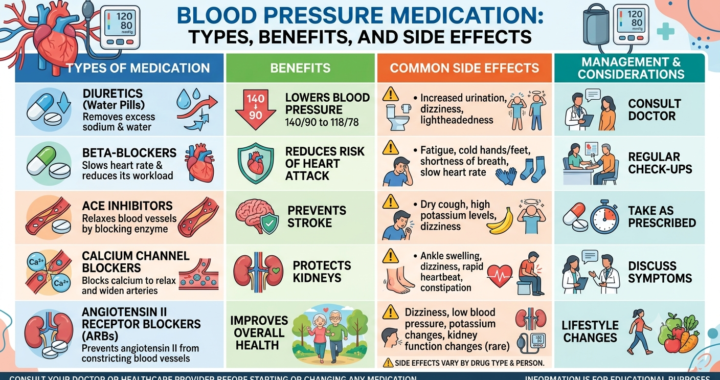
When Medication Comes Into the Picture
But not all patients with such abnormal values require medications immediately. It is usually advised by guidelines that lifestyle modifications be considered initially for patients with stage 1 hypertension except those who have heart disease, diabetes, kidney problems or an increased 10-year heart risk. In patients with stage 2 hypertension, medications need to be used along with lifestyle modifications.
Frequently Asked Questions
At what age can you develop high blood pressure?
High blood pressure can develop at any age, including the teenage years. While risk increases with age, current data shows about 1 in 4 adults aged 18–39 already have it, and even children and adolescents are increasingly affected, largely due to rising rates of overweight and obesity.
Can stress alone cause high blood pressure in young adults?
Stress causes short-term spikes in blood pressure by triggering hormones like adrenaline and cortisol. Chronic, ongoing stress — from work, school, or financial pressure — can help sustain elevated blood pressure over time, especially when combined with other risk factors like poor sleep or overeating.
Is high blood pressure in your 20s reversible?
Often, yes. Because arteries in younger adults haven’t stiffened as much as in older adults, lifestyle changes tend to produce faster, larger improvements. Many people with Stage 1 hypertension can return to a normal range through diet, exercise, weight management, and reduced alcohol and sodium intake, without needing medication.
Does birth control raise blood pressure?
Combined oral contraceptives containing estrogen can raise blood pressure in some users. If you notice elevated readings after starting hormonal birth control, mention it to your prescriber — they may recommend monitoring or a different formulation.
What blood pressure is too high for a 25-year-old?
The same thresholds apply regardless of age: a reading of 130/80 mm Hg or higher, confirmed over two or more visits, is classified as high blood pressure. There’s no separate “acceptable” range just because someone is young.
Can dehydration or caffeine cause a falsely high reading?
Yes. Caffeine, a full bladder, talking during measurement, an ill-fitting cuff, or recent exercise can all temporarily raise a reading. If a result looks unusually high, wait five minutes, avoid these factors, and measure again before assuming it reflects your true baseline.
Should young adults get their blood pressure checked regularly?
Yes. Because high blood pressure rarely causes symptoms, regular checks — at annual physicals, pharmacy kiosks, or with a home monitor — are the only reliable way to catch it early. This is especially important if you have a family history, carry excess weight, or use tobacco, alcohol, or certain medications.
The Bottom Line
High blood pressure in young adults is common, usually silent, and driven by a mix of weight, diet, alcohol, tobacco, stress, sleep, medications, and — sometimes — an underlying medical condition. The numbers don’t discriminate by age, and neither should your attention to them.
The upside is real: young arteries respond fast to change. A better diet, regular movement, less alcohol, and better sleep can lower systolic blood pressure by 15–25 mm Hg, often enough to reverse a Stage 1 diagnosis entirely.
Don’t wait for symptoms that may never come. Get your blood pressure checked at your next appointment, invest in a validated home monitor, and talk to your doctor about your personal risk factors — the earlier you catch it, the easier it is to fix.