
Your blood pressure tells a story about your heart every single day. Too high, and your arteries take a silent beating. Too low, and your brain and organs may not get enough blood. Both extremes matter — yet most people only ever hear about one of them.
Hypertension (high blood pressure) and hypotension (low blood pressure) sit at opposite ends of the same scale. One tends to build quietly for years. The other can strike suddenly, sometimes within seconds of standing up. Knowing the difference isn’t just trivia — it can help you catch a problem before it becomes an emergency.
This guide breaks down both conditions side by side: what causes them, how they show up in your body, how doctors diagnose them, and what you can actually do about each one.
Hypertension vs Hypotension at a Glance
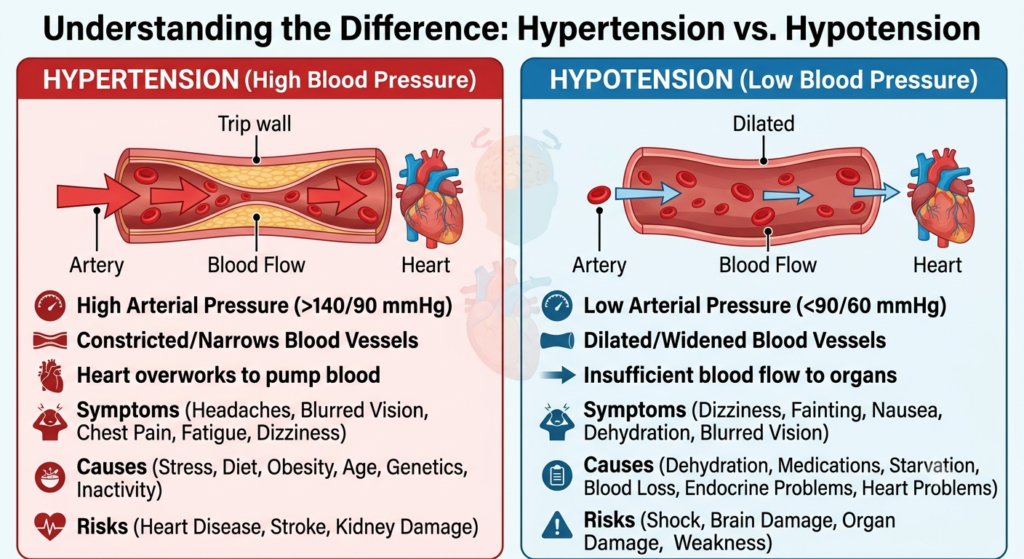
Hypertension is blood pressure that stays consistently at or above 130/80 mm Hg. It develops gradually, usually causes no symptoms, and raises your long-term risk of heart attack, stroke, and kidney disease.
Hypotension is blood pressure that drops to around 90/60 mm Hg or lower. It often causes sudden dizziness, fainting, or blurred vision, and it’s typically triggered by dehydration, blood loss, medications, or an underlying health issue.
| Feature | Hypertension (High BP) | Hypotension (Low BP) |
|---|---|---|
| Definition | Consistently ≥130/80 mm Hg | Generally ≤90/60 mm Hg |
| Nickname | The “silent killer” | Often overlooked, can be sudden |
| Onset | Gradual, over years | Can be sudden or gradual |
| Common symptoms | Usually none; headache, nosebleeds, chest pain if severe | Dizziness, fainting, blurred vision, fatigue |
| Main risk | Heart attack, stroke, kidney damage | Falls, fainting injuries, shock |
| Typical causes | High-sodium diet, obesity, stress, genetics, kidney disease | Dehydration, blood loss, heart problems, medications |
| First-line management | Lower sodium, exercise, weight loss, medication | Hydration, more salt (if advised), compression stockings |
What Is Blood Pressure, Exactly?
Every heartbeat pushes blood through your arteries. That force against the artery walls is your blood pressure, and it’s written as two numbers.
- Systolic pressure (top number): the pressure when your heart contracts and pumps blood out.
- Diastolic pressure (bottom number): the pressure when your heart rests between beats.
So if your blood pressure reading is “120/80,” your systolic number (the top number) is 120 mm Hg and your diastolic number (the bottom number) is 80 mm Hg. You do want both to be in healthy range, but blood pressure is characterized by whichever category your reading falls into (the top number or the bottom number), so if you have a high top number, it’s still hypertension. Your blood pressure is not a single number; it can go up when you exercise or feel stress, and go down while you are sleeping.
What Is Hypertension (High Blood Pressure)?
Hypertension means the force of blood against your artery walls stays too high, too often. Nearly half of American adults have it, and a large share don’t know it because it rarely causes noticeable symptoms early on. That’s why it’s often called the “silent killer” — the damage accumulates for years before anything feels wrong.
Blood Pressure Categories (American Heart Association)
| Category | Systolic (mm Hg) | Diastolic (mm Hg) | |
|---|---|---|---|
| Normal | Less than 120 | and | Less than 80 |
| Elevated | 120–129 | and | Less than 80 |
| Hypertension Stage 1 | 130–139 | or | 80–89 |
| Hypertension Stage 2 | 140 or higher | or | 90 or higher |
| Hypertensive Crisis | Higher than 180 | and/or | Higher than 120 |
A hypertensive crisis is a medical emergency. If your reading is above 180/120 mm Hg and you also have chest pain, shortness of breath, back pain, numbness, weakness, vision changes, or trouble speaking, call 911 immediately.
Types of Hypertension
Primary (essential) hypertension. This is the most common form. It develops slowly over years, and there’s no single identifiable cause — genetics, diet, and lifestyle all play a role.
Secondary hypertension. This type appears as a result of an underlying condition, such as kidney disease, hormonal disorders, or certain medications. It tends to show up more suddenly and can push blood pressure higher than primary hypertension does.
Symptoms of Hypertension
Most people with high blood pressure feel completely normal. That’s the danger. Symptoms usually only appear once blood pressure reaches a severe level, and even then they’re easy to dismiss:
- Headaches
- Shortness of breath
- Chest pain
- Dizziness
- Blurred vision
- Nosebleeds
Because these signs are so nonspecific, regular blood pressure checks — not symptoms — are the reliable way to catch hypertension early.
What Causes Hypertension?
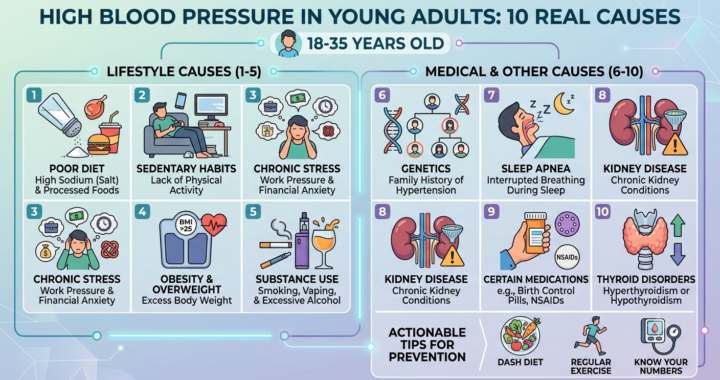
- A diet high in sodium and low in potassium
- Being overweight or obese
- Physical inactivity
- Chronic stress
- Smoking and heavy alcohol use
- Family history of high blood pressure
- Aging arteries
- Underlying conditions like kidney disease or hormonal imbalances
Health Risks of Untreated Hypertension
Left uncontrolled, high blood pressure gradually damages blood vessels and organs throughout the body. Over time it can lead to:
- Heart attack and heart failure
- Stroke
- Kidney damage or failure
- Vision loss
- Cognitive decline and increased dementia risk
What Is Hypotension (Low Blood Pressure)?
On the flip side, you can have too low blood pressure – or hypotension, when blood pressure dips to the point that organs (particularly your brain) aren’t getting enough flow. While often cited at 90/60 mm Hg or below, “low” can vary-it’s normal for physically fit, active people to have blood pressures slightly below the norm without suffering symptoms.
Unlike hypertension, hypotension usually announces itself. Symptoms tend to appear quickly and can be hard to ignore.
Symptoms of Hypotension
- Dizziness or lightheadedness, especially when standing up
- Fainting (syncope)
- Blurred vision
- Fatigue or weakness
- Nausea
- Difficulty concentrating
- Cold, clammy, pale skin in severe cases
If you have chronic mild low blood pressure without other signs or symptoms, then it typically isn’t an issue. When low blood pressure drops suddenly and/or you develop these symptoms simultaneously, there could be something more significant underlying the low blood pressure.
What Causes Hypotension?
- Dehydration or heavy fluid loss
- Blood loss from injury, surgery, or internal bleeding
- Certain medications (including some blood pressure drugs, diuretics, antidepressants)
- Heart problems, such as a very slow heart rate or valve disease
- Endocrine issues like hypothyroidism or adrenal insufficiency
- Severe infection (sepsis)
- Pregnancy
- Prolonged bed rest
- Nutritional deficiencies (low B12 or folate)
Types of Hypotension
Orthostatic (postural) hypotension. A sudden drop in blood pressure when moving from sitting or lying to standing. This is the most common type and can happen even in people with high blood pressure at rest.
Postprandial hypotension. A drop in blood pressure after eating, more common in older adults.
Neurally mediated hypotension. Caused by a miscommunication between the heart and brain, often triggered by standing for long periods.
Severe hypotension linked to shock. Caused by major blood loss, severe infection, or a serious allergic reaction. This is a medical emergency requiring immediate care.
Health Risks of Untreated Hypotension
Because symptoms are immediate, hypotension’s dangers are more about acute events than slow organ damage:
- Falls and injuries from fainting
- Reduced blood flow to the brain and heart
- Shock, in severe or rapid drops
- Organ damage if blood flow isn’t restored quickly
Hypertension vs Hypotension: Key Differences Explained
Onset and Progression
Hypertension is a slow burn. It usually builds over years, often without a single warning sign. Hypotension can appear suddenly — a quick stand-up, a hot day without enough water, or a new medication can trigger it within minutes.
Symptom Visibility
This is the clearest contrast between the two. Hypertension is largely silent; hypotension is usually loud. That difference shapes how each condition gets diagnosed. Hypertension is typically found during a routine check-up. Hypotension is often reported by the patient after an episode of dizziness or fainting.
Long-Term vs Immediate Danger
Many cardiologists consider hypertension more dangerous over the long run because of the cumulative, often invisible damage it does to arteries and organs. Hypotension, on the other hand, tends to pose more immediate risk — a fall, an injury, or a fainting episode at the wrong moment.
Can You Have Both?
It’s uncommon to have chronic hypertension and chronic hypotension at the same time, but they aren’t mutually exclusive. A person with high resting blood pressure can still experience orthostatic hypotension when standing up quickly, especially if they’re on blood pressure medication. This is one reason doctors adjust hypertension treatment carefully in older adults.
How Are Hypertension and Hypotension Diagnosed?
Diagnosis for both conditions relies on the same basic tool: a blood pressure reading, taken correctly and repeated over time.
- Multiple readings. A single high or low number rarely confirms a diagnosis. Doctors typically want readings from two or more separate visits.
- Proper technique. Sit with your back supported, feet flat on the floor, and arm at heart level. Avoid caffeine, exercise, and smoking for 30 minutes beforehand, and stay quiet during the reading — talking alone can shift results by 10–15 mm Hg.
- Home monitoring. A validated home blood pressure monitor can track patterns your doctor won’t catch in a single office visit, including “white coat hypertension” (higher readings caused by clinic-related anxiety).
- Orthostatic testing. For suspected hypotension, your doctor may take a reading while you’re lying down, then again after standing, to check for a sudden drop.
- Further testing. If an underlying cause is suspected — thyroid issues, heart arrhythmias, adrenal problems — blood tests, an ECG, or an echocardiogram may follow.
Treatment and Management
Managing Hypertension
Lifestyle changes are the starting point for almost everyone, and medication is added when needed.
- Cut back on sodium and follow a heart-healthy eating pattern, such as the DASH diet.
- Move regularly. Aim for at least 150 minutes of moderate activity a week.
- Maintain a healthy weight. Even modest weight loss can lower blood pressure meaningfully.
- Limit alcohol and quit smoking.
- Manage stress through sleep, relaxation techniques, or counseling.
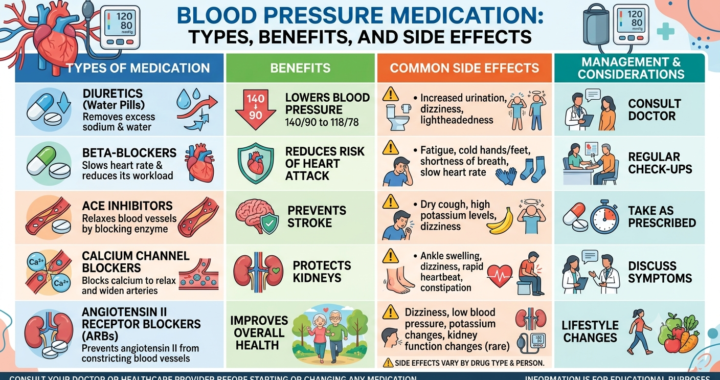
- Take medication as prescribed, if lifestyle changes aren’t enough. Common options include diuretics, ACE inhibitors, ARBs, calcium channel blockers, and beta-blockers.
Managing Hypotension
Treatment depends on the cause and severity. Mild hypotension without symptoms often doesn’t need treatment at all.
- Stay well hydrated, especially in hot weather or during illness.
- Increase salt intake, but only with your doctor’s guidance.
- Eat smaller, more frequent meals to avoid post-meal drops.
- Stand up slowly from sitting or lying positions.
- Wear compression stockings to reduce blood pooling in the legs.
- Review your medications with your doctor if a drug may be the cause.
- Treat the underlying condition, such as dehydration, anemia, or a thyroid disorder.
When to See a Doctor
For hypertension, see a doctor if:
- A home reading is consistently 130/80 mm Hg or higher
- You have a reading above 180/120 mm Hg, with or without symptoms
- You experience unexplained headaches, chest pain, or vision changes
For hypotension, seek care if:
- You faint or nearly faint, especially more than once
- Dizziness interferes with daily activities
- You have cold, clammy skin, rapid shallow breathing, or confusion alongside a low reading — this combination can signal shock and needs emergency attention
Frequently Asked Questions
What is the main difference between hypertension and hypotension?
Hypertension is high blood pressure, generally 130/80 mm Hg or above, and usually develops silently over time. Hypotension is low blood pressure, generally 90/60 mm Hg or below, and usually causes immediate symptoms like dizziness or fainting.
Which is more dangerous, high or low blood pressure?
They can both be dangerous, but in different ways. Hypertension gradually and often quietly damages your arteries and organs, increasing your lifelong risk of a heart attack, stroke, or kidney problems. Hypotension, on the other hand, can cause immediate hazards like falls and injuries from passing out, and, in severe instances, shock. For the vast majority of people, and due to the damage it causes organs, hypertension is the more serious long-term health condition in the eyes of many doctors.
Can you have hypertension and hypotension at the same time?
It’s uncommon but possible. Some people with chronic high blood pressure also experience orthostatic hypotension, a sudden drop when standing, particularly if they take blood pressure medication.
What blood pressure reading counts as low?
Most clinicians use 90/60 mm Hg or lower as the threshold for hypotension, though what counts as “too low” varies by individual. Some healthy people naturally run lower without symptoms.
What blood pressure reading counts as high?
According to current American Heart Association guidelines, a reading of 130/80 mm Hg or higher on repeated measurements is classified as hypertension. Readings above 180/120 mm Hg are a hypertensive crisis and need emergency care.
Does low blood pressure mean a healthier heart?
Not necessarily. Blood pressure that’s too low can starve organs of oxygen just as high blood pressure can strain them. A healthy blood pressure sits within a normal range, not simply as low as possible.
Can stress cause both high and low blood pressure?
Stress typically raises blood pressure in the short term through hormones like adrenaline. However, in some people, particularly those prone to fainting (vasovagal syncope), intense stress or pain can trigger a sudden drop instead.
Is hypertension or hypotension more common?
Hypertension is far more common. Nearly half of adults in the United States have it. Hypotension affects a smaller share of the population, though it becomes more common with age, pregnancy, and certain medications.
How quickly can hypotension become an emergency?
Very quickly. A sudden, severe drop in blood pressure, especially with confusion, cold clammy skin, or rapid heartbeat, can indicate shock, which requires emergency medical treatment within minutes.
Can medication for hypertension cause hypotension?
Yes. Blood pressure medications, especially in combination or at higher doses, can sometimes lower blood pressure too much, leading to dizziness or fainting. This is one reason doctors monitor and adjust dosages over time rather than setting them once and leaving them unchanged.
Key Takeaways
- Hypertension and hypotension sit at opposite ends of the same blood pressure scale, but they behave very differently in the body.
- High blood pressure usually causes no symptoms and does slow, cumulative damage — regular checks are the only reliable way to catch it.
- Low blood pressure tends to cause immediate, noticeable symptoms like dizziness and fainting, tied to dehydration, medication, or an underlying condition.
- Diagnosis for both relies on multiple accurate readings over time, not a single number.
- Lifestyle changes are the foundation of treatment for both conditions, with medication added when needed.
Your blood pressure numbers are one of the simplest, most useful signals your body gives you. Don’t wait for symptoms to check them. If you haven’t had a reading recently, book a check-up or pick up a validated home monitor this week — and if anything here matches what you’ve been feeling, talk to your doctor before it becomes an emergency.