
Best Foods for Weight Loss: A Dietitian-Backed Guide
Losing weight does not start with cutting foods out. It starts with adding the right ones in.
Most diets fail for one simple reason. They rely on hunger and willpower. But registered dietitians agree on something different. The right foods can fill you up on fewer calories. They stabilize blood sugar. They protect muscle while you lose fat.
This guide breaks down exactly which foods nutrition experts recommend, and why. You will also get a real meal plan, a list of foods to limit, and answers to the most common weight loss questions.
What Makes a Food Good for Weight Loss
Not all low-calorie foods help you lose weight. Some just leave you hungry an hour later.
Dietitians look at four factors before calling a food “weight loss friendly.”
- Satiety. Does it keep you full? Foods high in protein, fiber, and water tend to fill you up on fewer calories.
- Nutrient density. Does it deliver vitamins and minerals per calorie, or mostly empty calories?
- Blood sugar impact. Fiber-rich, minimally processed foods cause a slower rise in blood sugar. This helps control cravings.
- Processing level. Whole foods have a greater ability to assist in weight loss compared to ultra-processed foods even with similar calories. According to the NIH study, participants who ate an ultra-processed diet had about 500 extra calories daily compared to individuals who were eating the same amount of calories from the whole food diet.
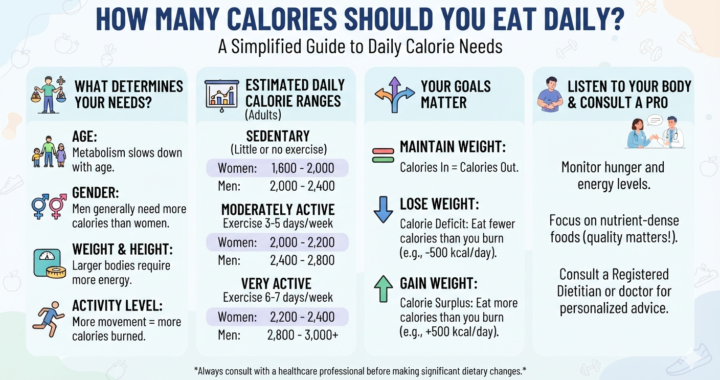
Weight loss still comes down to a calorie deficit. But some foods make that deficit far easier to sustain than others.
The Best Foods for Weight Loss, According to Nutrition Experts
Here is the full breakdown, organized by food group.
High-Protein Foods
The nutrient that dietitians believe to be the most significant for losing weight is protein. It helps keep your muscles intact as you burn your fats and aids slightly in increasing your metabolic rate.
| Food | Why Experts Recommend It |
|---|---|
| Eggs | High protein and healthy fat in one package; keeps you full for hours |
| Chicken breast | About 26g protein per 3 oz, very low in saturated fat |
| Greek yogurt | Protein plus probiotics that support gut health |
| Salmon | Protein and omega-3 fats; linked to reduced inflammation |
| Cottage cheese | High protein, low calorie, versatile for meals and snacks |
| Lentils and beans | Plant protein plus fiber, which slows digestion |
| Tofu | Lean plant protein for vegetarian and vegan diets |
| Canned tuna | Cheap, shelf-stable, nearly pure protein |
Expert tip: Aim to include a protein source at every meal, not just dinner. Spreading protein throughout the day supports satiety and helps preserve lean muscle mass during weight loss.
Fiber-Rich Vegetables
Vegetables let you eat a large volume of food for very few calories. That volume matters. It signals fullness to your brain before you overeat.
- Broccoli, cauliflower, Brussels sprouts, cabbage. These cruciferous vegetables are high in fiber and support digestion.
- Leafy greens (spinach, kale). Very low calorie, high in vitamins A, C, and K.
- Cucumbers, celery, zucchini. Under 20 calories per cup, mostly water.
- Green beans and artichokes. High in fiber; one medium artichoke supplies close to 7 grams of fiber.
A simple rule dietitians recommend: fill half your plate with non-starchy vegetables at lunch and dinner.
Fruits That Support Weight Loss
Fruit is not the enemy of weight loss. Whole fruit brings fiber and water that slow sugar absorption.
- Berries. Blueberries, strawberries, and blackberries are high in antioxidants and fiber, low in calories.
- Apples and pears. High in fiber; research has linked regular intake to better long-term weight management.
- Watermelon and cantaloupe. High water content helps with hydration and fullness.
- Citrus fruits. Grapefruit and oranges are low calorie with high vitamin C content.
Whole fruit beats fruit juice every time. Juice removes the fiber that makes fruit filling.
Whole Grains and Legumes
Refined carbs spike blood sugar and hunger. Whole grains and legumes do the opposite.
- Oats. Contain resistant starch and beta-glucan fiber, which slow digestion.
- Quinoa. A complete plant protein with fiber.
- Brown rice and whole wheat. More fiber than refined versions, which improves satiety.
- Chickpeas, black beans, kidney beans. High in fiber and plant protein together.
- Potatoes. Often unfairly excluded from weight loss diets. Boiled potatoes rank near the top of the satiety index, a scale that measures how filling foods are relative to their calorie count. Letting potatoes cool after cooking increases resistant starch, a fiber-like compound that further supports fullness and gut health.
Healthy Fats
Fat does not make you fat. The right fats, in the right amounts, support fullness and hormone health.
- Avocado. Rich in monounsaturated fat and fiber.
- Nuts and seeds. Almonds, walnuts, and chia seeds combine healthy fat, protein, and fiber.
- Extra virgin olive oil. Linked to improved metabolic health when used in place of less healthy fats.
- Fatty fish. Salmon and sardines provide omega-3 fatty acids that may help reduce inflammation tied to weight gain.
Keep portions in mind. Fat is calorie-dense, so a small amount goes a long way.
Gut-Friendly Foods
Emerging research links gut health to weight regulation. A healthier gut microbiome is associated with a stronger insulin response and lower inflammation, both of which support weight loss.
- Plain Greek yogurt and kefir contain live probiotics.
- Fermented vegetables like sauerkraut and kimchi support digestive health.
- Legumes and whole grains feed beneficial gut bacteria through their fiber content.
Soups and Broths
Eating soup is a slower process compared to eating solid food, thereby slowing down your meal time. The type of soup you eat plays an important role in weight management, since broth and tomato soups are better for losing weight than soups made from cheese.
Sample One-Day Meal Plan
This is a practical example of how these foods fit together in a real day.
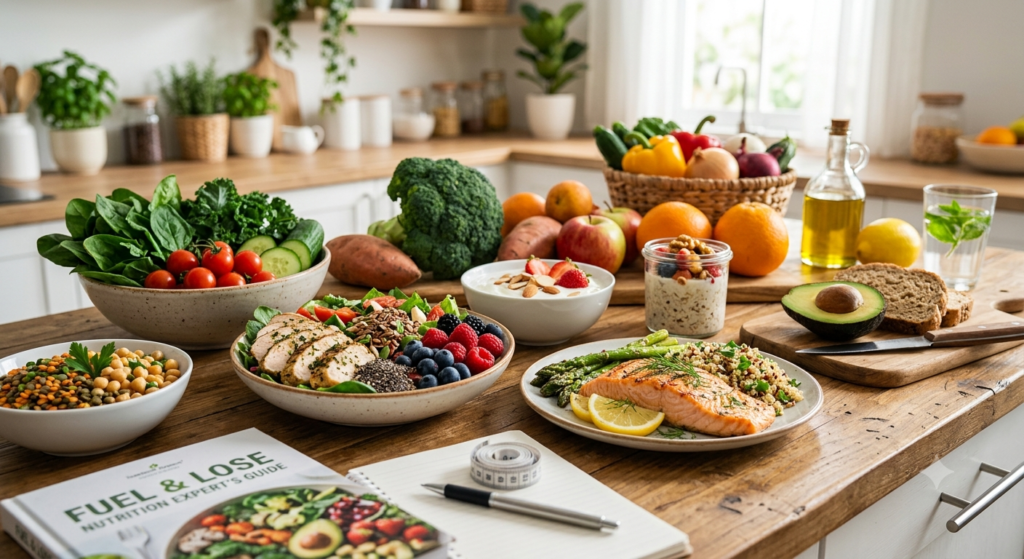
- Breakfast: 2 eggs, half an avocado, 1 cup mixed berries
- Morning snack: Greek yogurt with chia seeds
- Lunch: Kale salad with grilled salmon, quinoa, and roasted vegetables
- Afternoon snack: An apple with a small handful of almonds
- Dinner: Grilled chicken breast, baked sweet potato, steamed green beans
This plan combines protein, fiber, and healthy fat at every meal. That combination is what keeps hunger under control.
Foods to Limit for Weight Loss
Experts do not recommend banning foods entirely. But some categories consistently work against weight loss goals.
- Chips, pastries, and processed fast foods
- Soda and sugar-sweetened beverages such as coffee drinks
- White bread and white pasta consumed in large quantities
- Fried foods
- Alcohol, which contributes to calorie intake and may decrease inhibitions about other foods
Common Weight Loss Mistakes to Avoid
- Cutting calories too aggressively. Diets under 1,000 calories a day generally fail to provide balanced nutrition and can cause the body to break down muscle for fuel, which slows metabolism.
- Skipping protein at breakfast. This often leads to stronger cravings later in the day.
- Fixating on one “superfood.” No single food burns fat on its own. Overall diet pattern matters far more.
- Ignoring portion size, even with healthy foods like nuts and olive oil.
- Not drinking enough water, which can be mistaken for hunger.
Frequently Asked Questions
What is the number one food for weight loss?
There is no single best food. Dietitians consistently point to lean protein and fiber-rich vegetables as the foundation, since both increase fullness on fewer calories.
What foods burn fat fast?
No food burns fat directly. Weight loss depends on a sustained calorie deficit. High-protein and high-fiber foods support this by reducing hunger and helping preserve muscle.
Can I lose weight without exercise, just by changing my diet?
Yes. Diet has the biggest impact on weight loss, since it is easier to cut calories through food than to burn them through exercise. Exercise still helps preserve muscle and supports long-term results.
Are carbs bad for weight loss?
No. Whole grains, legumes, fruit, and starchy vegetables like potatoes can support weight loss when eaten in reasonable portions. The issue is refined carbs and added sugar, not carbohydrates as a category.
How much protein do I need to lose weight?
Many dietitians suggest protein make up around 25 to 30 percent of daily calories during weight loss, spread across meals rather than concentrated at dinner.
What should I eat for breakfast to lose weight?
Eggs, Greek yogurt, and oats are common expert picks. Each combines protein or fiber with relatively low calories, which helps control hunger through the morning.
Is fruit okay to eat while trying to lose weight?
Yes. Whole fruit contains fiber and water that slow sugar absorption. Berries, apples, and pears are frequently recommended. Fruit juice is a different story, since it lacks the fiber that makes whole fruit filling.
What is the fastest way to lose weight safely?
A moderate calorie deficit built around protein, fiber, and whole foods is considered safer and more sustainable than extreme calorie restriction, which can cause nutrient deficiencies and muscle loss.
Key Takeaways
- Calories will always need to be burned in order to lose weight, but the food you eat will make all the difference between difficulty and ease in doing so.
- Satiety is achieved through consumption of either protein or fiber, according to experts.
- Unprocessed foods fare better than processed foods with respect to the same amount of calories.
- It is not a particular food that leads to weight loss; instead, consistency is key in terms of diet as a whole.
- Minor yet sustainable changes have been known to yield more results than radical ones.