
How Counterfeit Medicine Flows Into Pakistani Hospitals
When people enter a hospital, they trust the medicine they receive. A patient believes the tablets, syrups, or injections will help them heal. But in Pakistan, that trust is under threat.
Counterfeit medicine is becoming a growing danger in the country. Fake drugs are entering pharmacies, clinics, and even hospitals. Some contain the wrong ingredients. Some contain no medicine at all. Others may contain harmful chemicals that can seriously injure or kill patients.
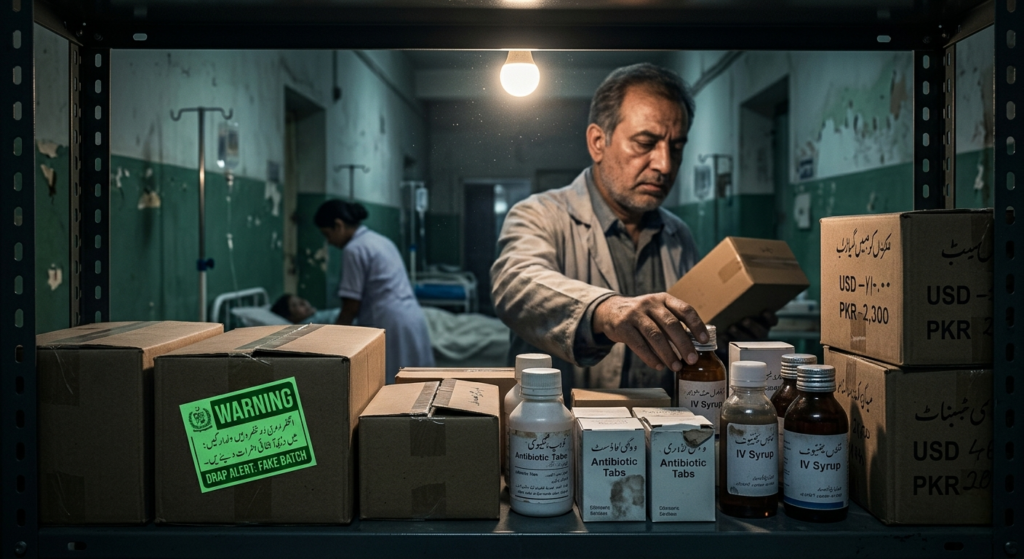
In recent years, the Drug Regulatory Authority of Pakistan (DRAP) has issued several alerts about fake and dangerous medicines found across the country. Authorities seized counterfeit antibiotics, painkillers, syrups, and injections during nationwide crackdowns.
This is not just a crime about money. It is a public health crisis.
What Is Counterfeit Medicine?
Counterfeit medicine is fake medicine sold as real medicine. It may look exactly like a genuine product, but it is not made by the original company.
These fake medicines can include:
- Wrong ingredients
- No active ingredients
- Expired chemicals
- Unsafe substances
- Incorrect dosage levels
- Fake packaging and labels
Some counterfeit drugs are made in illegal factories. Others are repackaged versions of stolen or expired medicines. The World Health Organization says fake medicine is a major problem in developing countries because weak monitoring systems allow illegal products to enter the supply chain. In Pakistan, this problem has become more visible after repeated DRAP safety alerts and laboratory reports.
How Fake Medicine Enters Pakistani Hospitals
Many people believe fake medicine is only sold in small roadside shops. Sadly, that is not true.
Counterfeit drugs can enter hospitals through weak supply systems, corruption, and poor monitoring. Here is how the chain usually works.
Step 1: Illegal Manufacturing
Fake drug makers often operate hidden factories in industrial areas or rented buildings.According to DRAP investigations, some companies were found operating without valid manufacturing licenses. Authorities identified several fake pharmaceutical firms producing counterfeit tablets and capsules.
These factories copy the packaging of trusted brands. They print fake batch numbers and labels that look almost real. Patients and even pharmacists may not notice the difference.
Step 2: Fake Products Enter Distribution Networks
Once the fake drugs are produced, they move through distributors and wholesalers. Some distributors knowingly buy counterfeit stock because it is cheaper. Others may not realize the products are fake.
In Pakistan, weak tracking systems make it difficult to trace the journey of medicines from factory to hospital. Experts say fragmented supply chains create opportunities for counterfeit medicine to spread easily.
Step 3: Hospitals Buy Cheap Medicine
Many public hospitals work under tight budgets. Some private clinics also try to reduce costs. This creates a dangerous opportunity. If suppliers offer medicine at unusually low prices, some buyers may accept the deal without proper verification. Counterfeit medicine often looks attractive because it is cheaper than genuine products.
A report about a fake cancer drug racket in South Asia showed counterfeit injections were sold at prices nearly 40 percent lower than genuine medicine. When hospitals focus only on cost instead of quality checks, fake medicine can enter patient wards.
Step 4: Weak Monitoring Systems
Pakistan’s healthcare system faces several monitoring challenges: Limited drug inspectors Poor digital tracking Weak enforcement in rural areas Corruption risks Overloaded laboratories Some hospitals do not regularly test medicines after purchase. Others lack trained pharmacists who can identify suspicious products. This allows counterfeit medicine to remain undetected for weeks or months.
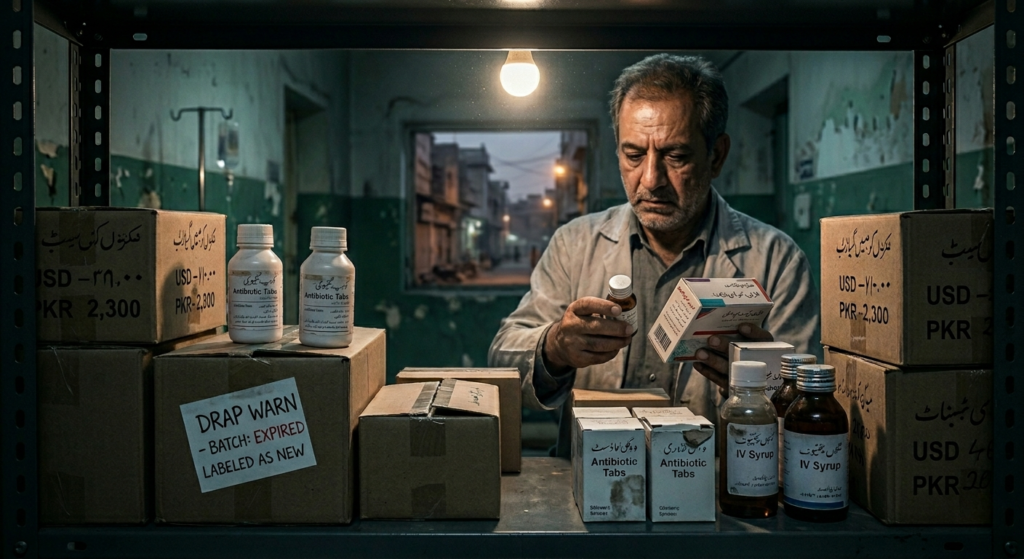
Why Counterfeit Medicine Is So Dangerous
Fake medicine can destroy lives in many ways.
Treatment Failure
If a medicine contains little or no active ingredient, the patient does not recover. For example, fake antibiotics may fail to stop infections. A fake heart medicine may not control blood pressure. Patients become sicker while believing they are receiving proper treatment.
Drug Resistance
Counterfeit antibiotics are especially dangerous.
When fake antibiotics contain weak doses, bacteria survive and become stronger. This creates antibiotic resistance, making future infections harder to treat. Pakistan already faces serious antibiotic resistance problems.
Organ Damage
Some fake drugs contain toxic chemicals or contaminated ingredients. These substances can damage:
- Kidneys
- Liver
- Heart
- Eyes
- Nervous system
A contaminated medicine can cause permanent disability or death.
4. Loss of Public Trust
Hospitals depend on trust. When patients hear about fake medicine scandals, they begin to fear healthcare systems. This can stop people from seeking treatment when they truly need help.
Real Cases That Shocked Pakistan
Pakistan has seen multiple fake medicine scares over the years.
DRAP Crackdowns
DRAP recently identified several counterfeit products during nationwide raids. Fake antibiotics, syrups, painkillers, and nasal sprays were seized from markets. Authorities warned that some medicines were manufactured in unlicensed facilities.
Counterfeit Syrups and Tablets
Laboratories in Karachi and Punjab tested suspicious medicine batches and declared them fake or substandard. Some products carried fake manufacturer information.
Stolen Hospital Medicine
Police investigations in Sindh uncovered stolen government hospital medicines hidden in warehouses and even graveyards.
This showed how weak inventory systems can allow theft and illegal resale.
Eye Injection Scandal
Reports linked counterfeit or contaminated injections to serious eye damage among patients in Pakistan. Experts warned that unauthorized suppliers may have introduced fake products into the market.
These cases reveal how dangerous and widespread the problem has become.
Why Pakistan Is Vulnerable to Fake Medicine
Several factors make Pakistan vulnerable to counterfeit drugs.
Weak Regulation
Although DRAP continues to conduct raids and issue alerts, enforcement remains difficult. Pakistan has thousands of pharmacies and distributors across urban and rural areas. Monitoring every supply chain is a huge challenge.
Poverty and Low Purchasing Power
Many patients cannot afford expensive branded medicine. This creates demand for cheaper alternatives, which counterfeit sellers exploit. Families struggling financially may buy medicine from unverified sellers to save money.
Informal Medical Markets
In many areas, medicine is sold through small shops, street vendors, or unlicensed stores. These markets often escape proper inspection.
Lack of Public Awareness
Many people do not know how to identify fake medicine. They trust packaging alone without checking:
- Batch numbers
- Manufacturer details
- Registration information
- Expiry dates
Some patients also buy medicine online or through social media pages without verification.
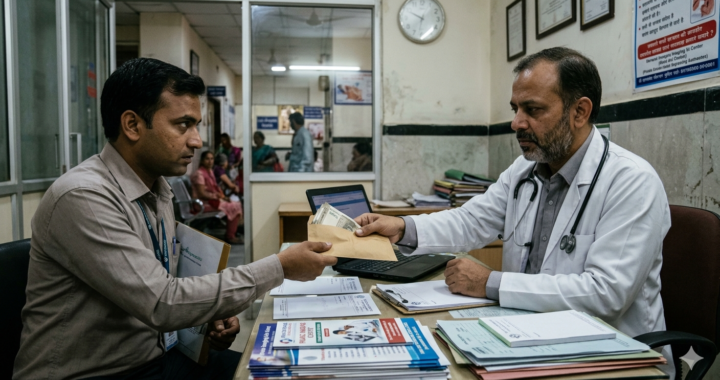
Corruption Risks
Corruption can weaken inspections and licensing systems. If dishonest officials ignore violations, counterfeit networks continue operating freely.
How Patients Can Identify Suspicious Medicine
Patients should stay alert when buying or receiving medicine. Here are warning signs that may indicate counterfeit products.
Poor Packaging
- Look for:Spelling mistakes
- Faded printing
- Broken seals
- Missing registration numbers
- Uneven labels
Fake packaging often has small quality differences.
Unusual Price Drops
If a medicine is much cheaper than normal, be careful. Counterfeit medicine is often sold at lower prices to attract buyers.
Strange Taste or Color
Changes in color, smell, texture, or taste may indicate a fake or contaminated product.
Unexpected Side Effects
If medicine causes unusual reactions or does not improve symptoms, consult a doctor immediately.
Buy Only From Licensed Pharmacies
DRAP advises people to purchase medicines only from registered pharmacies. This reduces the risk of counterfeit products.
The Role of Pharmacists
Pharmacists are the first line of defense against fake medicine.
A trained pharmacist can:
- Verify suppliers
- Check medicine authenticity
- Monitor storage conditions
- Identify suspicious batches
- Report unsafe products
Hospitals should ensure qualified pharmacists are actively involved in medicine procurement and inspection.
Technology Can Help Fight Fake Drugs
Technology may help reduce counterfeit medicine in the future.
Barcode Tracking
Digital barcodes can track medicine from factory to pharmacy. Patients and hospitals can scan codes to confirm authenticity.
Blockchain Supply Systems
Researchers are studying blockchain systems that create secure medicine tracking records. This can make supply chains more transparent.
AI-Based Detection
New artificial intelligence tools can analyze medicine packaging and identify counterfeit products using smartphone images. This technology may help inspectors and pharmacists detect fake products faster.
Stronger Online Verification
Drug companies can create websites or apps where customers verify batch numbers before use.
What the Government Must Do
Pakistan needs stronger action to stop counterfeit medicine.
Increase Drug Inspections
More trained inspectors are needed across the country. Regular surprise inspections can reduce illegal manufacturing.
Improve Laboratory Testing
Drug testing laboratories should receive better funding and equipment. Faster testing means dangerous products can be removed quickly.
Digitize the Supply Chain
Digital tracking systems should become mandatory for pharmaceutical distribution. Every medicine batch should be traceable.
Punish Criminal Networks
Counterfeit medicine is not a small crime. It puts lives at risk.
People involved in fake drug production and distribution should face strict legal punishment.
Final Thoughts
The fight against counterfeit medicine is about protecting human life. Pakistan’s healthcare system cannot afford weak monitoring, careless purchasing, or poor enforcement. Every fake tablet that enters a hospital puts another patient at risk. The good news is that solutions exist. Better technology, stronger regulation, trained pharmacists, public awareness, and strict enforcement can reduce the flow of counterfeit medicine into hospitals. But change must happen quickly. Because when fake medicine enters a hospital, the patient may never know the difference until it is too late.