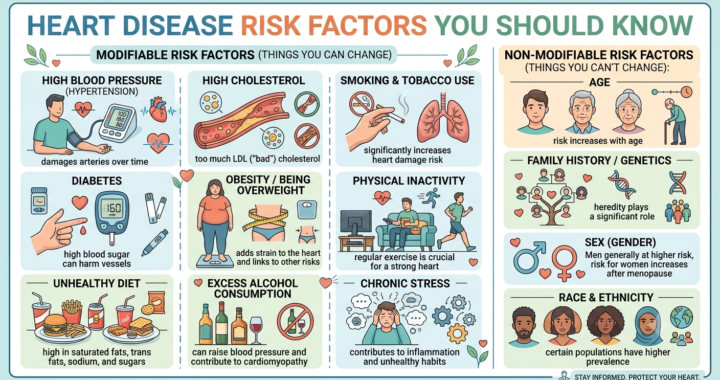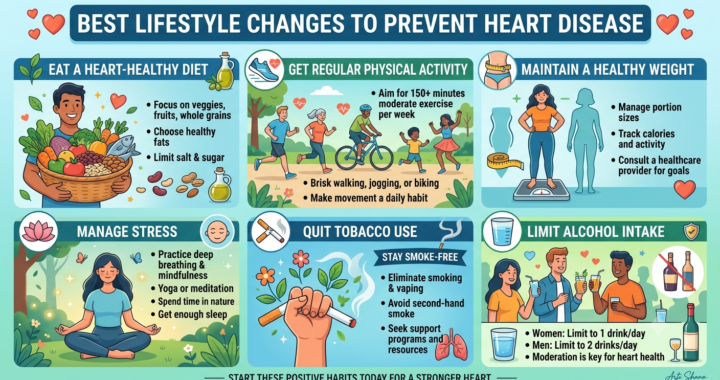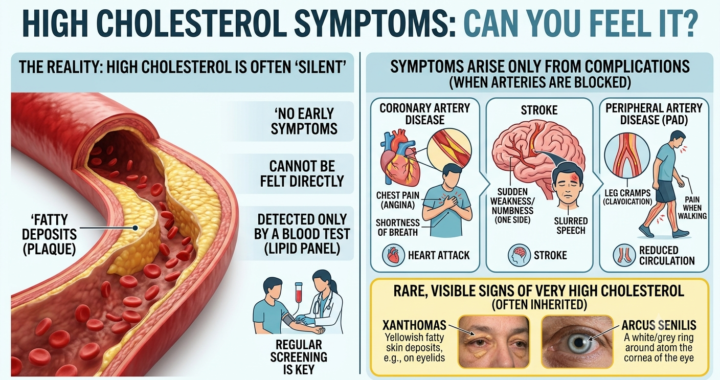

Heart disease kills more people worldwide than any other condition. Yet research keeps pointing to the same hopeful truth: what’s on your plate can change your risk in a real, measurable way.
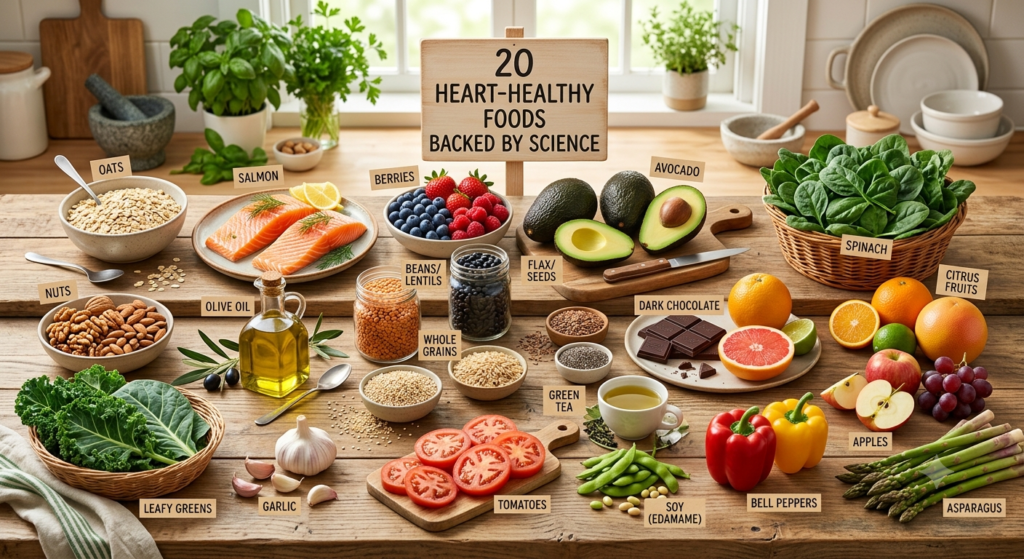
20 Heart-Healthy Foods Backed by Science
More than 11% of U.S. adults now live with some form of cardiovascular disease. The American Heart Association estimates that up to 80% of heart disease and stroke cases are preventable — and diet sits at the center of that prevention story.
You don’t need a complicated meal plan to protect your heart. You need the right foods, eaten consistently, over time. This guide breaks down 20 of the most well-researched, heart-protective foods, the science behind each one, and practical ways to fit them into your week.
A quick note before you dig in: This is an educational article only. It cannot replace professional medical consultation. If you suffer from heart problems, high cholesterol, or high blood pressure, please consult your physician or registered dietitian before making any changes.
What Makes a Food “Heart-Healthy“?
Before the list, it helps to know what researchers actually look for. According to the American Heart Association’s 2026 dietary guidance, a heart-healthy eating pattern shares nine core features:
- Balances calorie intake with physical activity to support a healthy weight
- Includes a wide variety of vegetables and fruits
- Favors whole grains over refined grains
- Prioritizes healthy protein sources — beans, lentils, nuts, seeds, and fish
- Swaps saturated fat for unsaturated fat
- Chooses minimally processed foods over ultraprocessed ones
- Limits added sugars
- Reduces sodium
- Limits or avoids alcohol
What should be noted is that there isn’t any miraculous food item. What the AHA emphasizes is the significance of the entire diet rather than any one food element. However, there are certain food items which have very strong backing.
The 20 Best Heart-Healthy Foods
1. Fatty Fish (Salmon, Mackerel, Sardines)
Fatty fish are rich in omega-3 fatty acids (EPA and DHA), which help lower triglycerides, reduce inflammation, and modestly lower blood pressure.
According to the American Heart Association, two servings of fish per week are recommended, preferably fatty fishes such as salmon, mackerel, herring, sardines, or albacore tuna. Two servings are equivalent to about 6 ounces of cooked fish. It has been proven that this dietary pattern lowers the risk of sudden death from coronary causes.
Try this: Bake salmon with lemon and herbs twice a week, or add canned sardines to salads for a budget-friendly option.
2. Walnuts
Walnuts stand out among nuts because they’re one of the few plant foods rich in alpha-linolenic acid (ALA), a plant-based omega-3.
As highlighted in a recent study called PREDIMED, individuals who consumed one ounce of nuts per day along with a Mediterranean-type diet experienced up to 28% reduction in the incidence of cardiovascular diseases as compared to those on a low-fat diet. Furthermore, another study indicated that individuals consuming nuts more than three times a week showed 39% reduced risk of mortality.
Try this: A small handful (about an ounce, or 14 walnut halves) as an afternoon snack.
3. Extra-Virgin Olive Oil
Extra-virgin olive oil (EVOO) is the fat at the heart of the Mediterranean diet, and the evidence for it is substantial.
The subjects in the PREDIMED study who were put on a Mediterranean diet rich in extra virgin olive oil showed a 31% relative reduction in heart attacks, stroke, and cardiovascular mortality versus those on a low-fat diet. A separate analysis revealed that patients who consumed high amounts of olive oil had a 35% reduced risk for developing cardiovascular diseases and 48% reduced cardiovascular mortality.
Try this: Use EVOO as your primary cooking and salad oil, replacing butter or margarine where you can.
4. Oats
Oats are one of the best-studied foods for cholesterol reduction, thanks to a soluble fiber called beta-glucan.
Multiple meta-analyses show that consuming at least 3 grams of oat beta-glucan daily — roughly one bowl of oatmeal — lowers LDL (“bad”) cholesterol by 5% to 10%. Some individual trials have recorded even larger drops. As a rule of thumb, every 1% reduction in cholesterol is linked to a 2–3% drop in coronary heart disease risk.
Try this: Swap sugary cereal for a bowl of plain oatmeal topped with berries and a spoon of nut butter.
5. Leafy Greens (Spinach, Kale, Swiss Chard)
Leafy greens are packed with nitrates, potassium, and antioxidants that support healthy blood vessels and blood pressure.
Dietary nitrates from leafy greens convert into nitric oxide in the body, which helps blood vessels relax and improves blood flow. Their potassium content also helps counter the blood-pressure-raising effects of sodium.
Try this: Add a handful of spinach to smoothies, eggs, or pasta dishes — it wilts down and barely changes the flavor.
6. Berries (Blueberries, Strawberries, Raspberries)
Berries are rich in anthocyanins, the pigments that give them their color and much of their heart-protective power.
Research links regular berry consumption to improved blood vessel function, lower blood pressure, and better cholesterol profiles, largely attributed to their flavonoid content. They’re also relatively low in sugar compared to many other fruits.
Try this: Frozen berries work just as well as fresh — blend into smoothies or stir into yogurt.
7. Avocados
Avocados are a rare fruit that’s high in monounsaturated fat, the same heart-friendly fat found in olive oil.
Studies suggest replacing saturated fat (like butter or fatty red meat) with the unsaturated fat in avocados can help lower LDL cholesterol while maintaining or raising HDL (“good”) cholesterol. Avocados also deliver potassium and fiber in the same bite.
Try this: Mash half an avocado on whole-grain toast instead of butter or cream cheese.
8. Legumes (Beans, Lentils, Chickpeas)
Legumes are a cornerstone of the AHA’s 2026 dietary guidance, which now puts more emphasis on plant-based protein sources.
Beans and lentils are high in soluble fiber, plant protein, and potassium, while being naturally low in saturated fat and sodium. Registered dietitians frequently point to legumes as some of the most affordable, heart-healthy staples available.
Try this: Build one “bean-based meal” into your week — think lentil soup, black bean tacos, or chickpea curry.
9. Whole Grains (Brown Rice, Quinoa, Whole-Wheat Bread)
Whole grains keep the fiber-rich bran and germ that refined grains strip away, along with B vitamins, magnesium, and antioxidants.
The AHA specifically recommends choosing whole-wheat bread, brown rice, and oatmeal over refined counterparts like white bread and white rice, citing their role in supporting healthy cholesterol and blood sugar levels.
Try this: Make a simple one-for-one swap — brown rice instead of white, whole-wheat pasta instead of regular.
10. Garlic
Garlic contains allicin, a sulfur compound formed when garlic is crushed or chopped, which has been studied for modest blood-pressure-lowering effects.
While garlic shouldn’t replace prescribed blood pressure medication, several clinical trials suggest regular garlic intake can produce small but meaningful reductions in systolic blood pressure, particularly in people with hypertension.
Try this: Crush garlic and let it sit for 10 minutes before cooking — this helps preserve more allicin.
11. Tomatoes
Tomatoes are a leading dietary source of lycopene, a carotenoid antioxidant linked to lower LDL oxidation and improved blood vessel function.
Cooking tomatoes (as in sauces or pastes) actually increases the bioavailability of lycopene, making cooked tomato products a particularly efficient way to get this nutrient.
Try this: Use tomato-based sauces with olive oil as a base for pasta, stews, or shakshuka.
12. Dark Chocolate (70% Cacao or Higher)
Dark chocolate contains flavanols, plant compounds associated with improved blood vessel flexibility and modestly lower blood pressure.
The key is cacao percentage — chocolate with added sugar and milk fat dilutes the flavanol content and adds calories that can work against heart health. Look for bars labeled 70% cacao or higher, and treat it as an occasional addition, not a daily staple.
Try this: One or two small squares a few times a week, paired with berries for extra antioxidants.
13. Chia Seeds
Chia seeds are a plant-based source of ALA omega-3 fatty acids and soluble fiber, both linked to healthier cholesterol and triglyceride levels.
A single tablespoon delivers meaningful fiber and omega-3s with almost no effort — the seeds form a gel when soaked in liquid, which also supports satiety and healthy blood sugar response.
Try this: Mix 1–2 tablespoons into overnight oats, yogurt, or smoothies.
14. Flaxseeds
Ground flaxseed is one of the richest plant sources of ALA omega-3s and also contains lignans, compounds studied for modest blood-pressure-lowering effects.
Flaxseed needs to be ground (not whole) for the body to absorb its nutrients effectively. Whole flaxseeds largely pass through the digestive system undigested.
Try this: Stir a tablespoon of ground flaxseed into oatmeal, smoothies, or baked goods.
15. Edamame and Soy Foods
Soy protein has a long history of heart-health research, with the FDA allowing a qualified health claim linking soy protein to reduced heart disease risk.
Soy foods like edamame, tofu, and tempeh are low in saturated fat and provide complete plant protein, fiber, and isoflavones — compounds studied for their role in supporting healthy cholesterol levels.
Try this: Swap edamame in for chips as a salty, satisfying snack.
16. Sweet Potatoes
Sweet potatoes are rich in potassium and fiber, both nutrients tied to healthy blood pressure regulation, while offering more nutrients per calorie than white potatoes.
Their fiber content also supports steadier blood sugar levels compared to more refined starches, which matters because blood sugar spikes and cardiovascular risk are closely linked.
Try this: Roast with olive oil and cinnamon as a side dish instead of fries.
17. Almonds
Like walnuts, almonds are high in unsaturated fat, but they also bring notable amounts of vitamin E and magnesium to the table.
Clinical research links regular almond consumption to modest reductions in LDL cholesterol, particularly when almonds replace less healthy snack foods rather than simply being added on top of an existing diet.
Try this: Portion out a small handful in advance to avoid mindless overeating — nuts are calorie-dense.
18. Beets
Nitrates are also found in beets, which contain the same component that leafy vegetables use to reduce blood pressure.
Tests performed on beet juice, for example, have proven reductions in blood pressure, owing to the production of nitric oxide, which causes blood vessels to relax and dilate.
Try this: Roast beets and toss into salads, or blend into smoothies for a natural sweetness.
19. Pomegranate
Pomegranate is rich in punicalagins and other polyphenols studied for their antioxidant and anti-inflammatory effects on the cardiovascular system.
Some research links regular pomegranate juice or seed consumption to improved blood vessel function and modest blood pressure benefits, though most studies are small and more research is needed.
Try this: Sprinkle pomegranate seeds (arils) over salads, oatmeal, or yogurt for texture and antioxidants.
20. Low-Fat Dairy (Yogurt, Milk)
Low-fat and fat-free dairy provide calcium, potassium, and protein, and the AHA includes them among its recommended healthy protein sources.
Fermented dairy like plain yogurt also delivers probiotics, which some research links to modest improvements in blood pressure and cholesterol, likely through effects on gut bacteria.
Try this: Choose plain yogurt over flavored varieties, then sweeten it yourself with fruit to control added sugar.
Heart-Healthy Foods at a Glance
| Food | Key Nutrient | Primary Heart Benefit |
|---|---|---|
| Fatty fish | EPA/DHA omega-3s | Lowers triglycerides, reduces sudden cardiac death risk |
| Walnuts | ALA omega-3s | Lowers cardiovascular event risk |
| Olive oil | Monounsaturated fat, polyphenols | Lowers CVD events and mortality |
| Oats | Beta-glucan fiber | Lowers LDL cholesterol 5–10% |
| Leafy greens | Nitrates, potassium | Supports healthy blood pressure |
| Berries | Anthocyanins | Improves blood vessel function |
| Avocado | Monounsaturated fat | Improves LDL/HDL ratio |
| Legumes | Soluble fiber, plant protein | Lowers LDL cholesterol |
| Whole grains | Fiber, B vitamins | Supports cholesterol and blood sugar |
| Garlic | Allicin | Modestly lowers blood pressure |
| Tomatoes | Lycopene | Reduces LDL oxidation |
| Dark chocolate (70%+) | Flavanols | Supports vessel flexibility |
| Chia seeds | ALA omega-3s, fiber | Supports triglycerides |
| Flaxseeds | ALA omega-3s, lignans | Modestly lowers blood pressure |
| Soy foods | Isoflavones, plant protein | Supports healthy cholesterol |
| Sweet potatoes | Potassium, fiber | Supports blood pressure and blood sugar |
| Almonds | Unsaturated fat, vitamin E | Lowers LDL cholesterol |
| Beets | Dietary nitrates | Supports blood vessel dilation |
| Pomegranate | Polyphenols | Supports vessel function |
| Low-fat dairy | Calcium, potassium, probiotics | Supports blood pressure |
Foods to Limit for Heart Health
A heart-healthy diet isn’t only about what you add — it’s also about what you scale back. The AHA’s 2026 guidance highlights these categories as ones to minimize:
- Ultraprocessed foods — packaged snacks, processed meats, and ready meals high in sodium and additives
- Added sugars — sugary drinks, desserts, and sweetened cereals
- Excess sodium — canned soups, deli meats, and restaurant food are common hidden sources
- Saturated fat — fatty cuts of red meat, butter, and tropical oils like coconut and palm oil
- Alcohol — current guidance states there’s no fully “safe” level for cancer risk, and any alcohol consumed should be limited
How to Start Eating for Heart Health This Week
You don’t need to overhaul your diet overnight. Try this simple approach:
- Pick one fish meal. Plan a salmon, sardine, or mackerel dinner for this week.
- Pick one bean meal. Lentil soup, bean chili, or a chickpea bowl works well.
- Swap your cooking fat. Use olive oil instead of butter for a few meals.
- Upgrade your breakfast. Try oatmeal with berries and walnuts instead of sugary cereal.
- Snack smarter. Keep a small container of almonds or walnuts at your desk.
Small, repeatable swaps like these compound over months and years — which is exactly how heart-healthy eating actually works.
Frequently Asked Questions
What is the number one food for heart health?
There’s no single “best” food, but fatty fish and extra-virgin olive oil have some of the strongest clinical trial evidence behind them. Both are core parts of the Mediterranean diet, which remains the most rigorously studied dietary pattern for cardiovascular protection.
What foods unclog arteries naturally?
No food can physically “unclog” an artery once plaque has formed. However, a diet rich in fiber, unsaturated fats, and antioxidants — from foods like oats, leafy greens, fatty fish, and olive oil — can help slow plaque buildup and improve overall blood vessel function over time.
Are eggs bad for heart health?
Current research suggests moderate egg consumption (about one egg a day) isn’t strongly linked to increased heart disease risk for most healthy people. What surrounds the egg matters more — eggs fried in butter alongside bacon differ nutritionally from eggs paired with vegetables.
Is coffee good or bad for the heart?
Moderate coffee intake (roughly 3–4 cups a day) is generally not associated with increased cardiovascular risk in most people and may even be linked to modest benefits in some studies. People with irregular heart rhythms or high blood pressure sensitivity should discuss their intake with a doctor.
What should I eat every day for a healthy heart?
Aim for a daily foundation of vegetables, fruits, whole grains, and a healthy fat source like olive oil or nuts, with fish or legumes as regular protein choices. Consistency across weeks and months matters far more than any single day’s menu.
Can diet alone reverse heart disease?
Diet is powerful, but it works best alongside other factors: regular physical activity, not smoking, healthy sleep, and managing weight, blood pressure, blood sugar, and cholesterol. The AHA groups these together as “Life’s Essential 8” for cardiovascular health.
How much fish should I eat per week for heart health?
The American Heart Association recommends at least two servings of fish per week, ideally fatty fish such as salmon, mackerel, or sardines, totaling about 6 ounces cooked.
Is butter or olive oil better for your heart?
Olive oil is generally the better choice. It’s rich in monounsaturated fat and polyphenols, while butter is high in saturated fat, which is more strongly linked to raised LDL cholesterol.
Key Takeaways
- Heart-healthy eating is all about patterns; however, fatty fish, olive oil, nuts, oats, and beans seem to have a solid amount of evidence behind them.
- Foods rich in fiber, unsaturated fats, and potassium help keep blood pressure and healthy cholesterol in check.
- Even small changes that can be maintained over time — for example, using olive oil instead of butter or oatmeal instead of sweet cereal — make a difference.
- Avoiding processed foods, excess sugar, salt, and saturated fat is just as important as choosing healthy food.
- About 80% of heart disease is preventable by following a healthy lifestyle consistently, according to the American Heart Association.
Ready to put this into practice? Start with one change this week — swap your cooking oil, add a fish night, or pick up a bag of walnuts — and build from there. Your heart responds to habits, not perfection.