
Your chest suddenly hurts. Is it a heart attack, or did you just pull a muscle at the gym?
That split-second uncertainty is exactly why chest pain sends more than 8 million people to U.S. emergency rooms every year, making it the second most common reason adults visit the ER. Yet most of those visits aren’t heart attacks. Many turn out to be heartburn, anxiety, or a strained rib muscle.
Still, you can’t tell the difference by guessing. Some chest pain causes are life-threatening and need care within minutes. Others are uncomfortable but harmless. This guide breaks down both, so you know exactly what your symptoms might mean and, more importantly, when to stop reading and call 911.
Medical disclaimer: The purpose of this article is for informational purposes only and does not replace professional medical advice, diagnosis, or treatment. In case of chest pain currently, especially those associated with any of the following symptoms, call 911 immediately.
Key Takeaways
- Call 911 immediately if chest pain is sudden, severe, lasts more than 5 minutes, or comes with shortness of breath, sweating, nausea, or pain spreading to your arm, jaw, or back.
- Heart-related causes include heart attack, angina, aortic dissection, and pericarditis — all can be emergencies.
- Non-cardiac causes like GERD, muscle strain, and anxiety are far more common but can still feel frighteningly similar to a heart attack.
- Women, older adults, and people with diabetes often experience atypical symptoms, like nausea or fatigue instead of classic chest pressure.
- Never try to self-diagnose. Even doctors can’t reliably tell a heart attack from heartburn without tests like an EKG or blood work.
When Chest Pain Is a Medical Emergency: Warning Signs
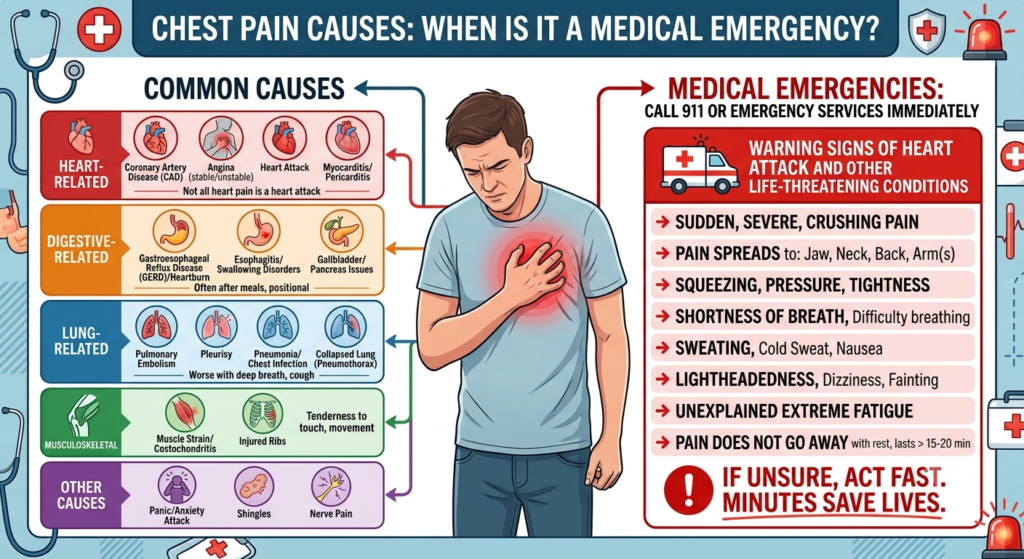
Rather than jumping straight into causation, here is what you need to know first and foremost. If you experience chest pain and any of the following, then call 911 or visit the ER immediately.
- Pain that’s sudden, severe, or feels like pressure, squeezing, or crushing
- Pain lasting longer than 5 minutes that doesn’t ease with rest
- Pain spreading to your arm, shoulder, back, neck, or jaw
- Shortness of breath, even without pain
- Cold sweats, nausea, or vomiting
- Sudden dizziness, lightheadedness, or fainting
- A rapid, irregular, or pounding heartbeat
- A feeling of impending doom (patients and doctors both describe this as a real warning sign)
Expert insight: Cardiologists claim that the biggest mistake a person makes is attempting to diagnose themselves. According to one cardiologist from University of Michigan Health, it may be difficult even for doctors to differentiate between a heart attack and heartburn because they cannot do an EKG or take blood tests at home.
IIf any of these apply to you, do not drive. Instead, call 911. The paramedics can begin the treatment process on their way to the hospital and inform the hospital before your arrival.
How do I know if chest pain is serious?
A patient’s chest pain may be considered a serious problem when it is unexpected and intense, persists for more than five minutes, is described as being crushing and tight, or accompanied by shortness of breath, sweating, nausea, dizziness, or pain that radiates to his arm, jaw, neck, or back.
Heart-Related Causes of Chest Pain
Cardiac causes are the ones people fear most, and for good reason. These conditions can become life-threatening quickly.
1. Heart Attack (Myocardial Infarction)
A heart attack happens when blood flow to part of your heart is blocked, usually by a clot in a coronary artery. Without oxygen, heart muscle begins to die within minutes.
What it feels like: Pressure, tightness, or squeezing in the center or left side of the chest. Often described as an “elephant sitting on your chest.” Pain may radiate to the left arm, jaw, neck, or back.
Other symptoms: Shortness of breath, cold sweat, nausea, and lightheadedness frequently accompany the chest discomfort.
Action: Call 911 immediately. Every minute of delay increases heart muscle damage.
2. Angina
Angina isn’t a disease itself — it’s chest discomfort caused by reduced blood flow to the heart, usually from narrowed arteries (coronary artery disease).
- Stable angina typically appears during exertion or stress, lasts a few minutes, and improves with rest.
- Unstable angina happens unpredictably, even at rest, lasts longer, and doesn’t reliably improve with rest or medication. This version is a medical emergency because it can signal an impending heart attack.
3. Aortic Dissection
This is a tear in the wall of the aorta, the body’s largest artery. It’s rare but extremely dangerous.
What it feels like: Sudden, severe, tearing or ripping pain in the chest or upper back. Some describe it as the worst pain of their life.
Action: This is a true emergency requiring immediate surgery in many cases. Call 911 without delay.
4. Pericarditis
Pericarditis is inflammation of the sac surrounding the heart, often following a viral infection.
What it feels like: Sharp, stabbing pain that worsens when lying down, coughing, or taking a deep breath, and often improves when sitting up and leaning forward.
While often less immediately dangerous than a heart attack, pericarditis still needs prompt medical evaluation to rule out complications and confirm the diagnosis.
Lung-Related Causes of Chest Pain
Several respiratory conditions can cause chest pain that mimics a cardiac event.
| Condition | What It Feels Like | Urgency |
|---|---|---|
| Pulmonary embolism | Sudden chest pain, worse with deep breathing, along with shortness of breath and rapid heart rate | Emergency — call 911 |
| Pneumothorax (collapsed lung) | Sudden, sharp pain with sudden shortness of breath | Emergency — call 911 |
| Pneumonia with pleurisy | Sharp pain that worsens with breathing or coughing; may improve if you hold your breath | See a doctor promptly |
| Pulmonary hypertension | Chest pain, breathlessness, fatigue, often worsening over time | Needs medical evaluation |
Pulmonary embolism is when a blood clot moves from other parts of the body into the lungs and stops the blood flow. It is one of the most frequently overlooked emergency conditions as individuals assume that any difficulty breathing cannot possibly be a serious health concern.
Digestive Causes of Chest Pain
This is where most non-emergency chest pain comes from, but the overlap with heart symptoms is exactly why doctors get worried.
GERD (Acid Reflux/Heartburn)
Gastroesophageal Reflux Disease (GERD) is believed to be the leading cause of chest pain. The stomach acid moves into the esophagus, which sends the same nerves as the heart does to the brain; thus, your brain feels the pain in your chest area.
What it feels like: A burning sensation behind the breastbone, often after eating, worse when lying down, and typically eased by antacids.
Common triggers: Large meals, spicy or fatty foods, alcohol, caffeine, and lying down soon after eating.
Esophageal Spasm
The muscles of the esophagus can contract abnormally, causing intense chest pain that can genuinely feel like a heart attack, including radiating pain.
Esophageal Rupture
Rare but severe: a tear in the esophageal wall, sometimes from violent vomiting. This causes sudden, severe chest and upper abdominal pain and is a surgical emergency.
Gallbladder or Pancreas Issues
Gallstones or pancreatitis can cause pain that radiates upward into the chest, particularly after eating fatty foods.
Musculoskeletal Causes of Chest Pain
These causes are common, especially after physical activity, and are rarely dangerous — though they can be surprisingly painful.
- Costochondritis: Inflammation of the cartilage connecting your ribs to your breastbone. Pain often worsens when you press on the area or take a deep breath.
- Muscle strain: Overexertion from lifting, intense exercise, or even a hard coughing fit can strain chest wall muscles.
- Rib injury: A bruised or fractured rib from trauma can cause sharp, localized pain that worsens with movement or breathing.
How to tell it’s likely musculoskeletal: The pain is reproducible, which means that it gets more severe when you apply pressure to the area, rotate your trunk, or inhale deeply. The pain associated with cardiac problems usually does not depend on these factors.
Nevertheless, do not consider your problem to be musculoskeletal if you have heart problems or any of the symptoms listed above.
Psychological Causes of Chest Pain
Anxiety and panic attacks are legitimate, common causes of chest pain, and the physical symptoms can be nearly indistinguishable from a cardiac event.
What it feels like: Tight or sharp chest pain, palpitations, trembling, difficulty breathing, and overwhelming feelings of fear or dread, reaching their peak within about 10 minutes.
The similarities between the two aren’t coincidental. In fact, that’s why emergency physicians warn not to just assume that the problem is anxiety until it’s evaluated properly, particularly on the first occasion.
Heart Attack Symptoms in Women vs. Men
One of the most important content gaps in chest pain coverage: symptoms don’t always look the same for everyone.
Classic symptoms (more common in men):
- Crushing chest pressure or pain
- Pain radiating down the left arm
Atypical symptoms (more common in women, older adults, and people with diabetes):
- Shortness of breath without chest pain
- Unusual fatigue, sometimes for days beforehand
- Nausea or vomiting
- Back or jaw pain
- Lightheadedness or cold sweats without obvious chest discomfort
This difference matters because atypical symptoms are more likely to be dismissed, delaying treatment when timing is critical.
Featured Snippet Answer: Can you have a heart attack without chest pain?
Yes. Some people, especially women, older adults, and those with diabetes, experience a heart attack with little or no chest pain. Symptoms may instead include shortness of breath, nausea, unusual fatigue, or pain in the back, jaw, or arms.
Who’s at Higher Risk?
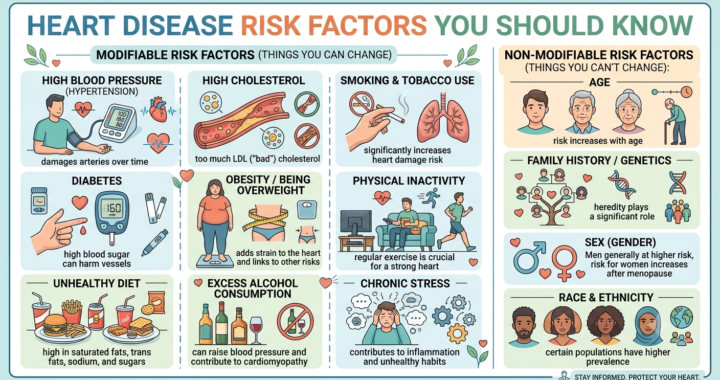
Certain factors raise the odds that chest pain has a cardiac cause:
- Age 40 and older (especially 60+)
- High blood pressure or high cholesterol
- Diabetes
- Smoking or a history of smoking
- Family history of heart disease
- Obesity or a sedentary lifestyle
- Kidney disease
If you fall into several of these categories, doctors treat new chest pain with a lower threshold for concern, and you should too.
What Happens When You Go to the ER for Chest Pain
Knowing what to expect can ease anxiety if you ever need to go.
- Rapid triage: Chest pain patients are typically seen quickly due to the risk of a cardiac event.
- EKG (electrocardiogram): Usually done within minutes of arrival to check your heart’s electrical activity.
- Blood tests: Troponin levels can reveal heart muscle damage, sometimes even before symptoms are obvious on an EKG.
- Imaging: A chest X-ray, CT scan, or ultrasound may be used depending on suspected causes like blood clots or aortic issues.
- Treatment: If a heart attack or other emergency is confirmed, treatment starts immediately, which may include medication or procedures to restore blood flow.
- Observation or discharge: If tests rule out an emergency, you’ll be referred for follow-up care to identify and manage the underlying cause.
How to Reduce Your Risk of Cardiac Chest Pain
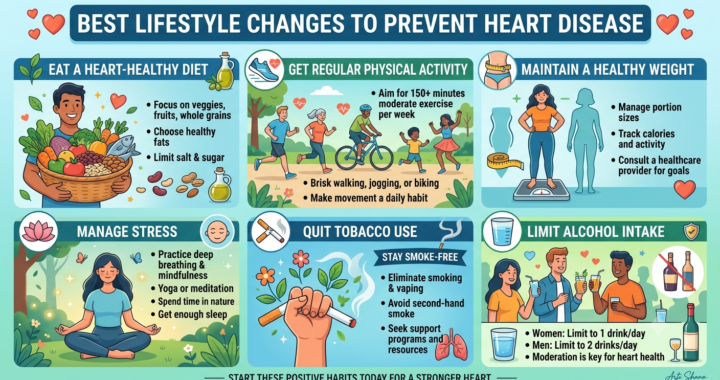
While you can’t eliminate all risk, healthy habits meaningfully lower your odds of heart-related chest pain:
- Eat a heart-healthy diet rich in vegetables, whole grains, and lean protein
- Exercise regularly, as recommended by your doctor
- Avoid smoking and limit alcohol
- Manage blood pressure, cholesterol, and blood sugar
- Get regular checkups, especially if you have risk factors
- Manage stress, since chronic anxiety contributes to both psychological and cardiac chest pain
Frequently Asked Questions
What does heart attack chest pain feel like?
Most people describe it as pressure, tightness, squeezing, or a heavy weight on the chest, rather than a sharp, stabbing pain. It usually lasts more than a few minutes and may come and go in waves. Pain can also spread to the arm, jaw, neck, or back.
How can I tell the difference between heartburn and a heart attack?
It’s genuinely difficult to tell them apart without medical tests, and even doctors rely on an EKG or blood work to be sure. Heartburn tends to cause a burning feeling that improves with antacids, while heart attack pain is more often pressure-like and comes with symptoms like sweating, nausea, or shortness of breath. If you’re unsure, treat it as an emergency.
Is chest pain that comes and goes serious?
It can be. Intermittent chest pain, especially if it’s triggered by exertion and eases with rest, can indicate angina, a warning sign of coronary artery disease. Recurring chest pain of any kind should be evaluated by a doctor, even if each episode resolves on its own.
Can stress or anxiety cause chest pain?
Yes. Anxiety and panic attacks can cause genuine chest pain, tightness, and a racing heart that closely mimics cardiac symptoms. Because the symptoms overlap so much, a first-time episode should still be medically evaluated to rule out heart-related causes.
What is the most common cause of chest pain?
GERD, or acid reflux, is one of the most common non-cardiac causes of chest pain. Musculoskeletal strain is also extremely common, particularly after exercise or physical exertion.
When should I go to urgent care versus the ER for chest pain?
Urgent care isn’t appropriate for chest pain that could be cardiac or lung-related, since these clinics typically lack the equipment for emergency cardiac testing and treatment. If there’s any chance your chest pain is heart- or lung-related, go to the ER or call 911 rather than urgent care.
Can young, healthy people have heart attacks?
Yes, though it’s less common. Risk factors like smoking, family history, congenital heart conditions, drug use, and severe stress can cause heart attacks in people under 40. Chest pain should never be dismissed based on age alone.
How long does musculoskeletal chest pain last?
It varies, but pain from muscle strain or costochondritis often lasts days to a few weeks and typically improves with rest, ice or heat, and over-the-counter pain relievers. Pain that worsens, persists beyond a few weeks, or comes with other symptoms warrants a medical evaluation.
The Bottom Line
Chest pain has dozens of possible causes, from harmless heartburn to a life-threatening heart attack, and the truth is that you often can’t tell which one you’re dealing with just by how it feels.
This doubt is precisely why it’s better to play it safe. In case of chest pain that is abrupt, intense, constant, and comes along with shortness of breath, profuse sweating, nausea, or chest pain radiating into the arm or jaw, call 911 and don’t even think about driving to the clinic.
In case your symptoms are less intense but persistent or you have risk factors for developing coronary artery disease, consult your physician rather than waiting for the problem to go away on its own. Your body is asking for help. Listen to it.